


Global H₂ vehicle sales rise by nearly 25%
SNE Research reports this in a new market analysis. After a weak first half, the H₂ vehicle market picked up pace in the second half of the year, reaching 16,011 units, according to the research institute.
China tops the country ranking with 7,797 units. However, SNE Research lists all 7,797 vehicles under ‘China Commercial’ in the manufacturer statistics, without breaking them down by brand or model. It therefore remains unclear whether these are fuel cell passenger cars or (light) commercial vehicles.
SNE Research attributes China’s 9.6 per cent year-on-year growth to a particularly strong December. The expiry of the purchase tax exemption for New Energy Vehicles at year-end triggered pull-forward effects for battery-electric cars and plug-in hybrids, boosting demand. “This surge was further amplified by the fulfillment of performance targets in hydrogen pilot city clusters before the year-end deadline,” the analysts state.
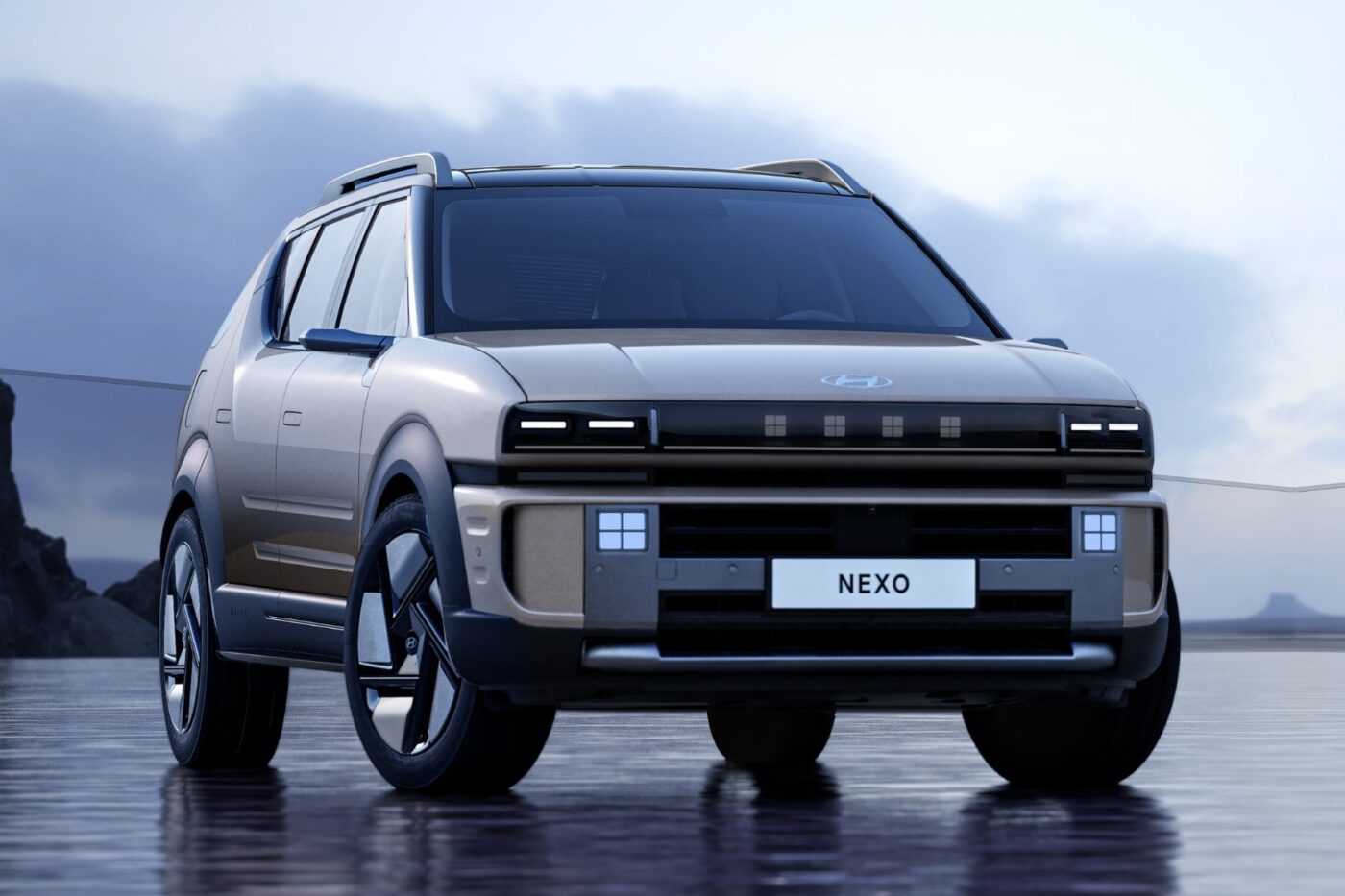
South Korea follows closely behind with 6,802 fuel cell electric vehicle passenger cars and a substantial growth of 84.4 per cent. This growth was driven by the launch of the second generation of the Hyundai Nexo in April 2025 – in Germany, the model has only been available for order since this January.
With 6,861 units, Hyundai is by far the most successful manufacturer—aside from the 7,797 unassigned ‘China Commercial’ vehicles. Hyundai achieved a growth of 78.9 per cent and, including the China vehicles, accounts for 42.9 per cent of the global FCEV market. Former market leader Toyota, with its two models, the Mirai and Crown FCEV, saw a decline of 39.1 per cent to 1,168 units. Honda, which had no FCEV registrations in 2024, recorded 185 units of the CR-V e:FCEV in its results.
While the markets in China and South Korea experienced significant growth, sales of fuel cell vehicles declined in all other regions. SNE Research recorded 566 units in Europe (-23.1 per cent), Japan saw a decline of 37.3 per cent to 430 vehicles, and North America reached 365 vehicles (-37.7 per cent). The rest of the world also saw a decrease from 57 to 51 vehicles—precisely 10.5 per cent.
“The growth of the global FCEV market in 2025 can be summarized as the combined result of Hyundai Motor’s recovery in the second half and the year-end tax and settlement deadline effects in China,” SNE Research concluded. “However, since China’s December surge was largely driven by front-loaded demand, there is potential for a short-term correction in early 2026. Furthermore, the fact that the 2026 Toyota Mirai features only minor updates suggests that the pace of demand expansion for passenger FCEVs remains limited for now.”
Regarding market developments in the current year, the South Korean experts see several question marks. It remains unclear whether infrastructure expansion can keep pace with demand or whether pilot projects will transition into sustainable operations. Another key question is: Will ‘subsidy policies remain stable enough to provide a predictable outlook for both vehicle prices and Total Cost of Ownership?’


0 Comments