


NextStar Energy opens battery cell plant in Canada
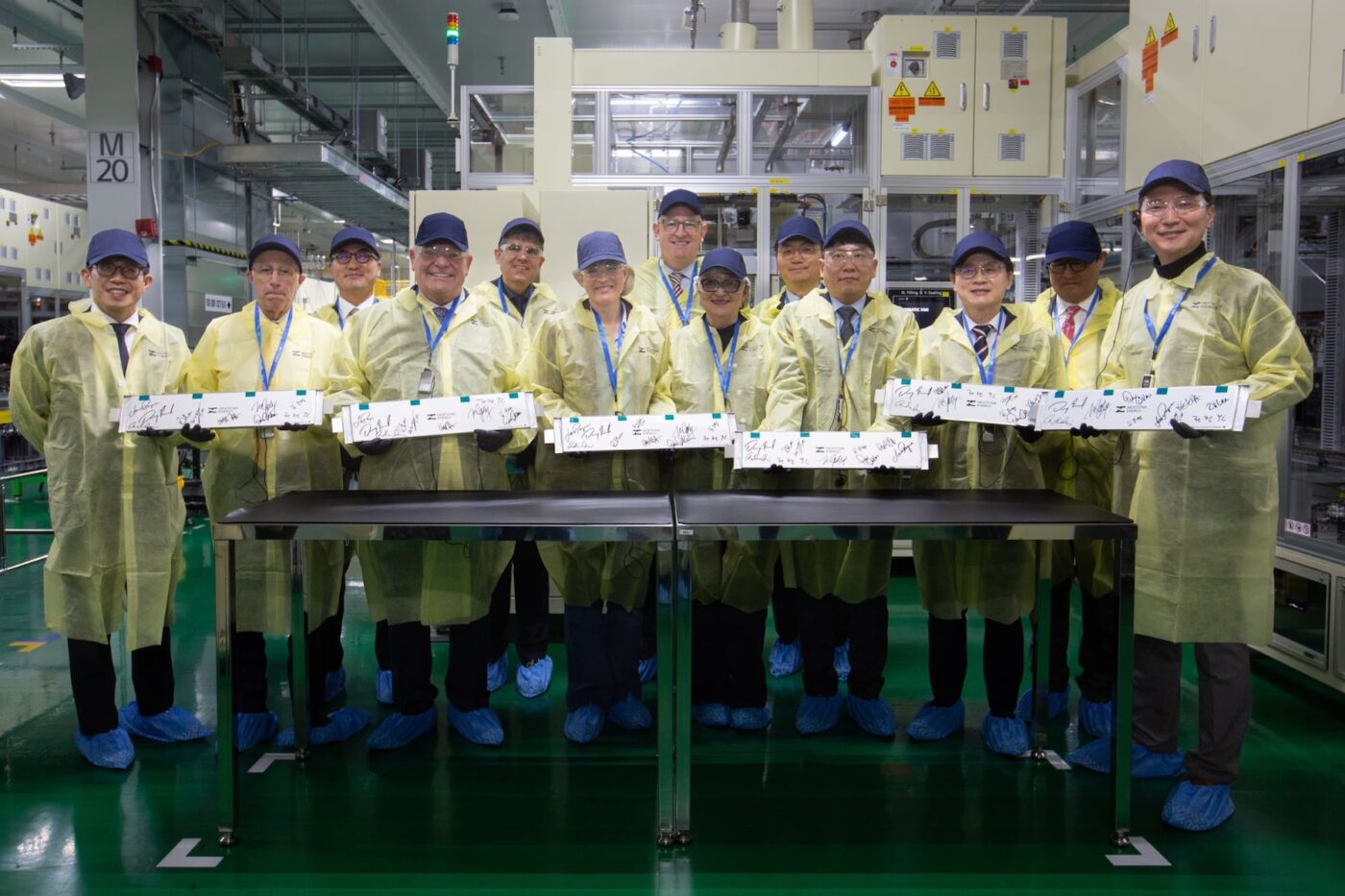
The Windsor facility is Canada’s first battery cell factory to begin series production, which commenced as early as November 2025. To date, over one million battery cells have already been manufactured. However, the official inauguration took place only recently, with a host of prominent figures in attendance, including Canada’s Minister of Industry, Mélanie Joly, and David Kim, CEO of LG Energy Solution.
NextStar Energy was founded in 2022 by LG Energy Solution and Stellantis to establish a state-of-the-art battery cell production facility. The partners invested approximately 5 billion Canadian dollars (around 3.15 billion euros) in the new plant in Ontario, which covers nearly 400,000 square metres. Currently, 1,300 employees work at the facility, with plans to expand to up to 2,500 jobs in the future.
However, as early as the start of production in November 2025, questions arose about whether Stellantis still aligned with the project. After all, Stellantis had invested in the joint venture with LGES to secure battery cells for its North American electric vehicles. Yet, at the launch, it was publicly announced that NextStar Energy would initially focus on batteries for stationary energy storage systems. Consequently, it came as little surprise when LGES announced in early February 2026 that it would acquire Stellantis’ shares in NextStar Energy. Almost simultaneously, Stellantis announced a strategic realignment in its electric vehicle and battery business, writing off 22.2 billion euros in the process.
“When LG Energy Solution decided to become the sole owner of NextStar Energy, we did so with absolute confidence. As Canada’s first large-scale battery manufacturing facility, NextStar Energy will play a critical role in powering the nation’s next chapter of electrification” said David Kim, CEO of LG Energy Solution, during the ceremony.
It is also clear that the factory could produce battery cells for electric vehicles at a later stage. However, this would first require a significant increase in demand for electric cars in North America. Politicians present at the inauguration emphasised the factory’s importance for the automotive sector.
“The official opening of NextStar Energy’s Windsor facility marks a major milestone for Canada’s auto industry,” said Canadian Minister of Industry Mélanie Joly. “This new centre of advance battery manufacturing will accelerate our leadership in next-generation vehicles by powering the cars we build, reinforce the strength of our energy grids, and develop the strategic technologies our partners and allies rely on.”
2 Comments