


Porsche shares battery production insights for the Cayenne Electric
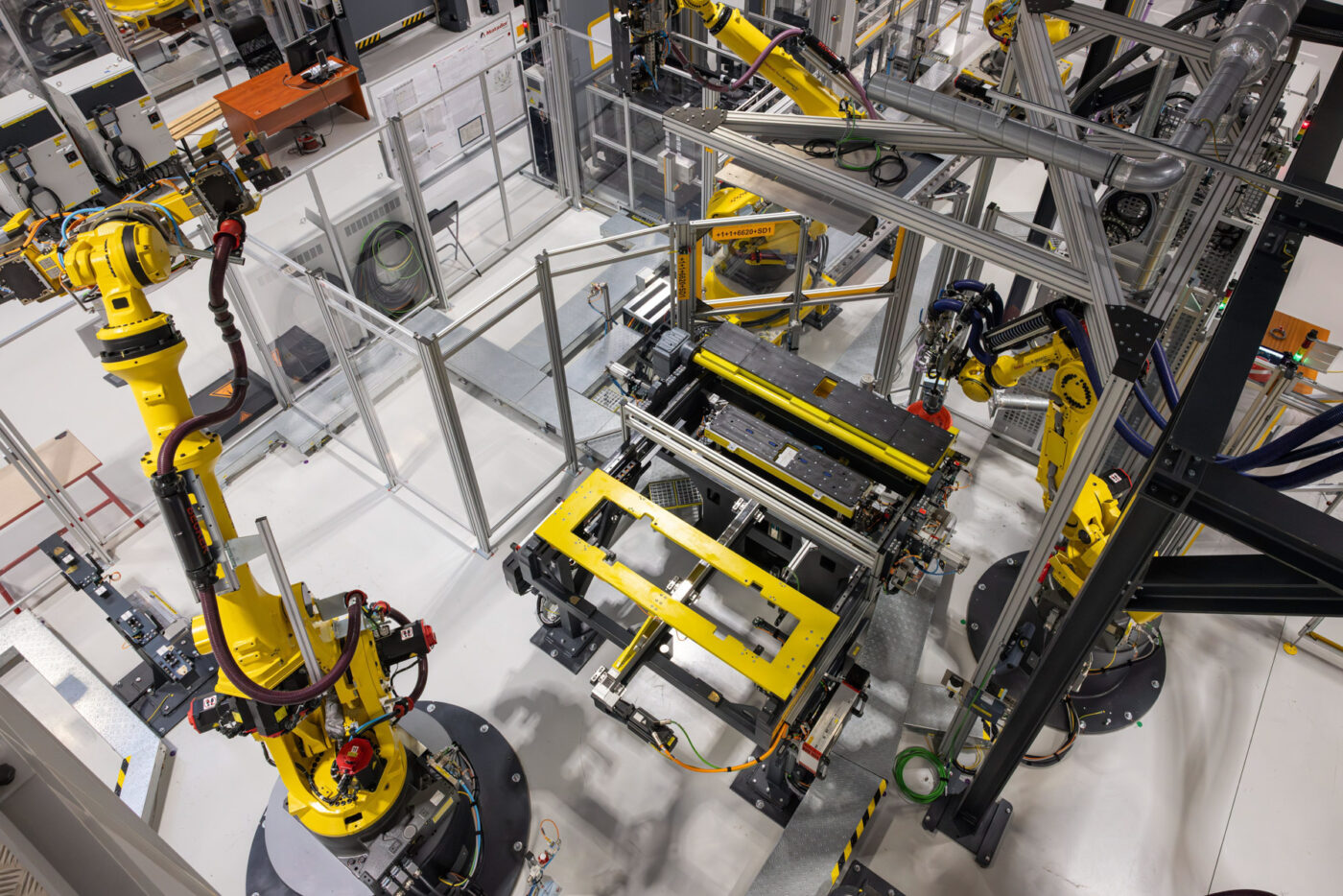
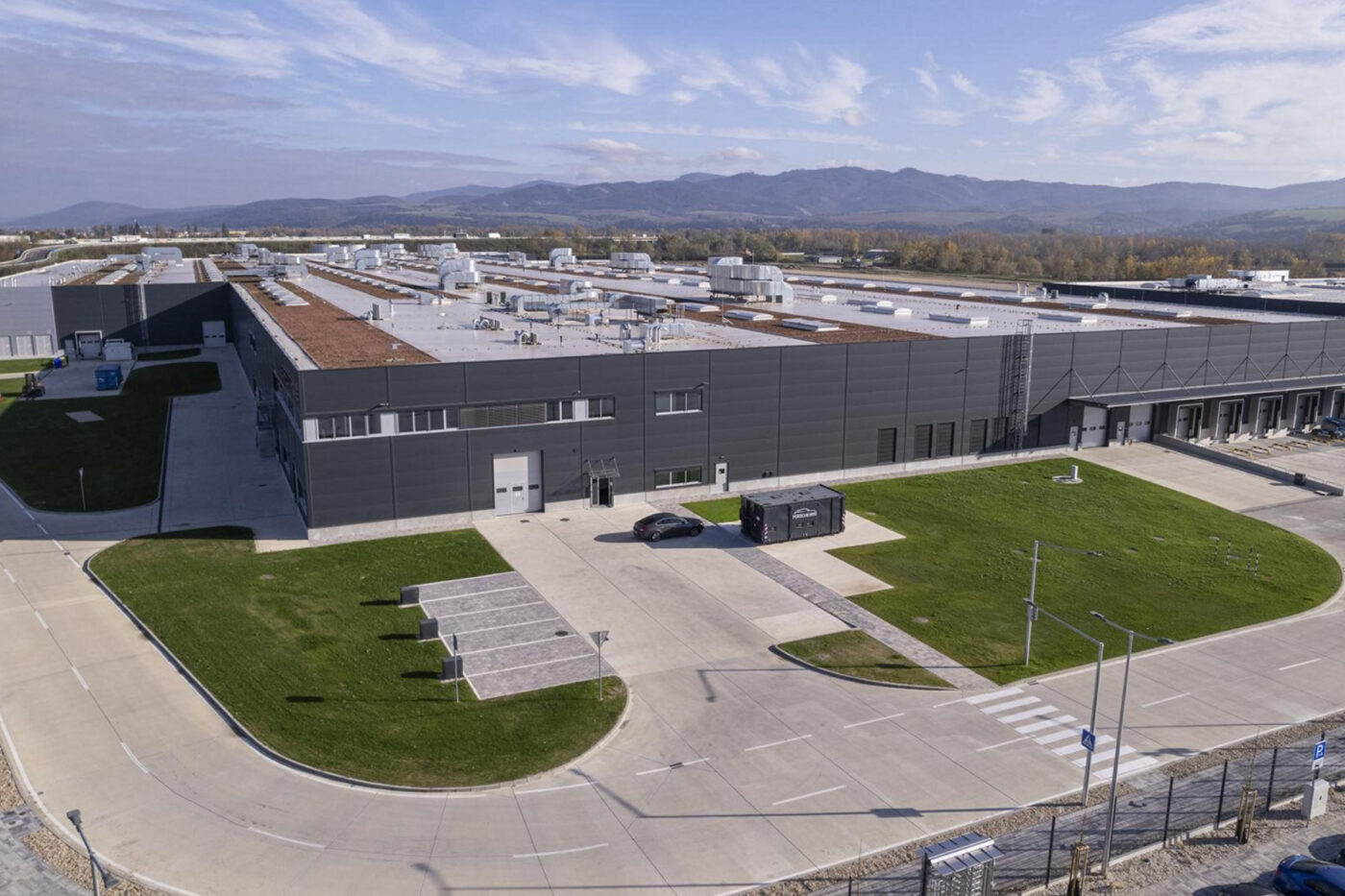
It has been known since the start of series production in February that the car manufacturer is no longer outsourcing battery assembly for its second model based on the PPE platform to suppliers, but has taken it in-house. Together with Porsche Werkzeugbau GmbH, Porsche has established the Porsche Smart Battery Shop in Horná Streda. Located about an hour’s drive from Bratislava, the facility produces the battery modules that form the core of the Cayenne Electric’s battery – as we explained in detail in our technical deep dive. From Horná Streda, the modules are shipped to the supplier Webasto, who integrates the modules and power electronics into the battery frame before delivering them to the vehicle plant.
Porsche has now shared further details about the operations in Horná Streda in a dedicated announcement. The choice of location, which may initially seem unusual, was deliberate: the site was previously home to the Porsche Toolmaking division’s ‘Technology Centre’. “The facility has been expanded into an innovative technical centre that, as a dependable partner, supports Porsche in product and process development,” the car manufacturer stated.
On-site, the prototype construction capabilities of the Technology Centre were gradually expanded to include series production, with competencies being transferred accordingly. Construction of the hall for series production began in January 2023, and the first production systems were installed in September. The first modules for pre-series vehicles were produced there in May 2024.
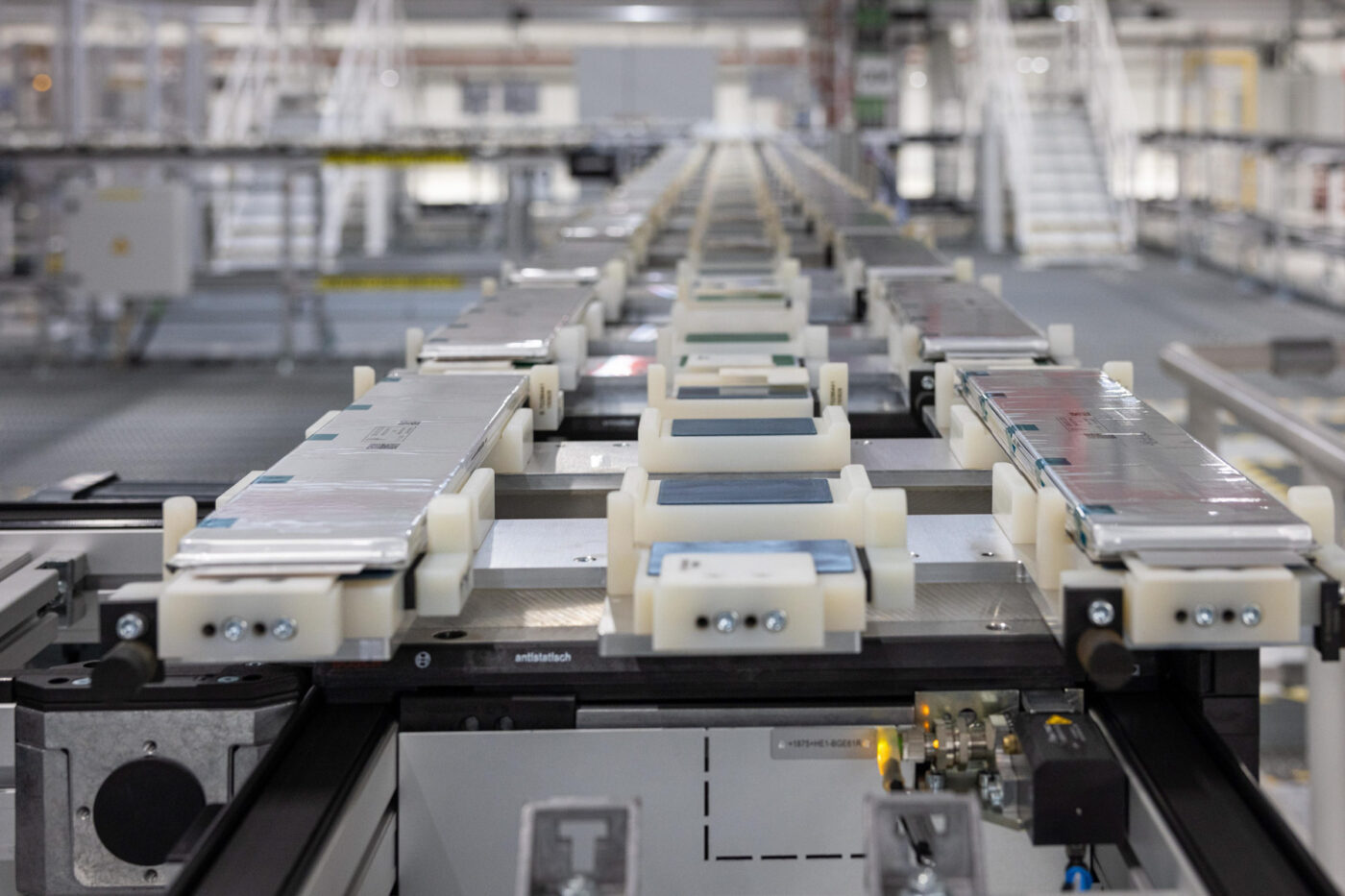
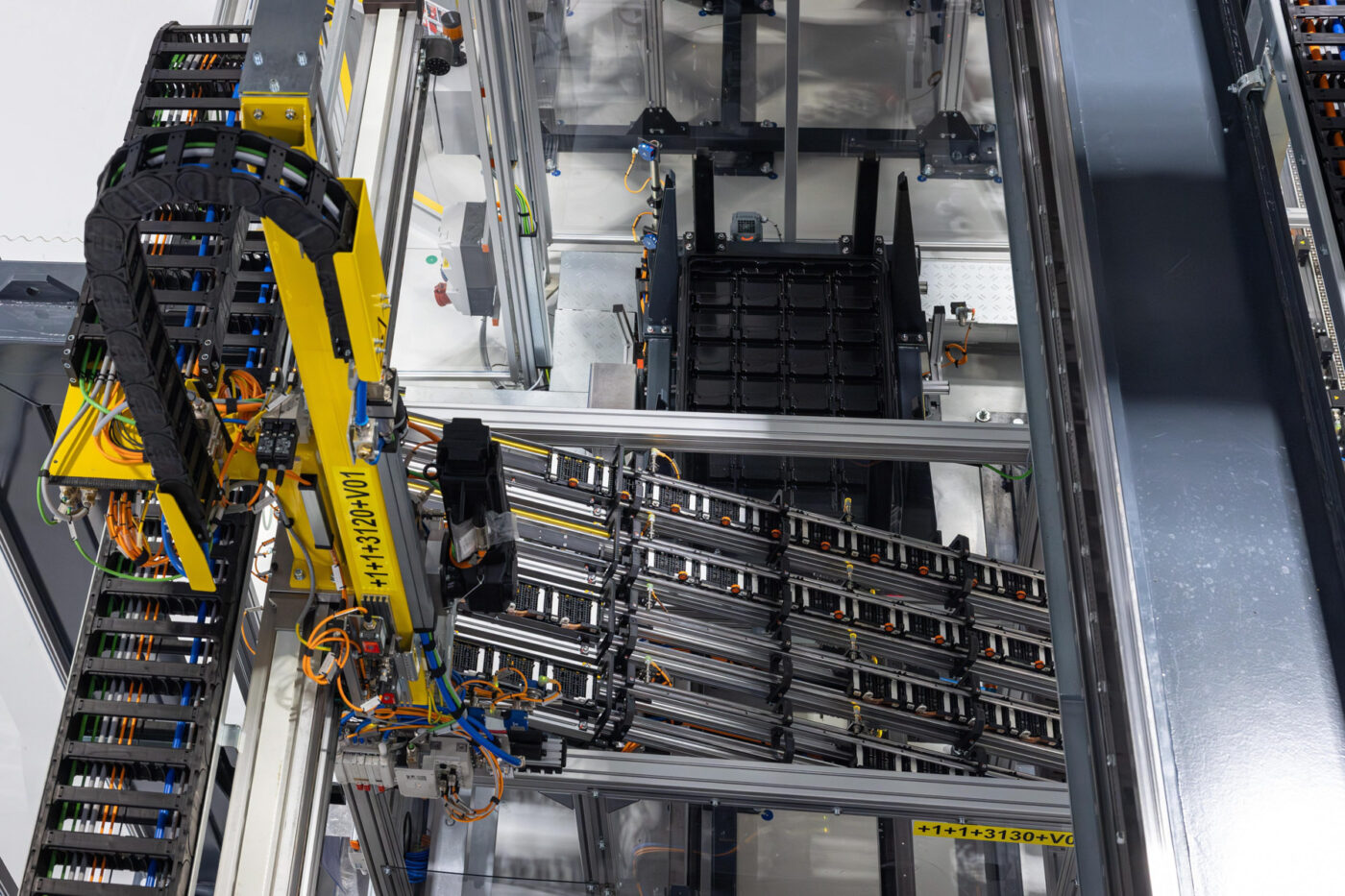
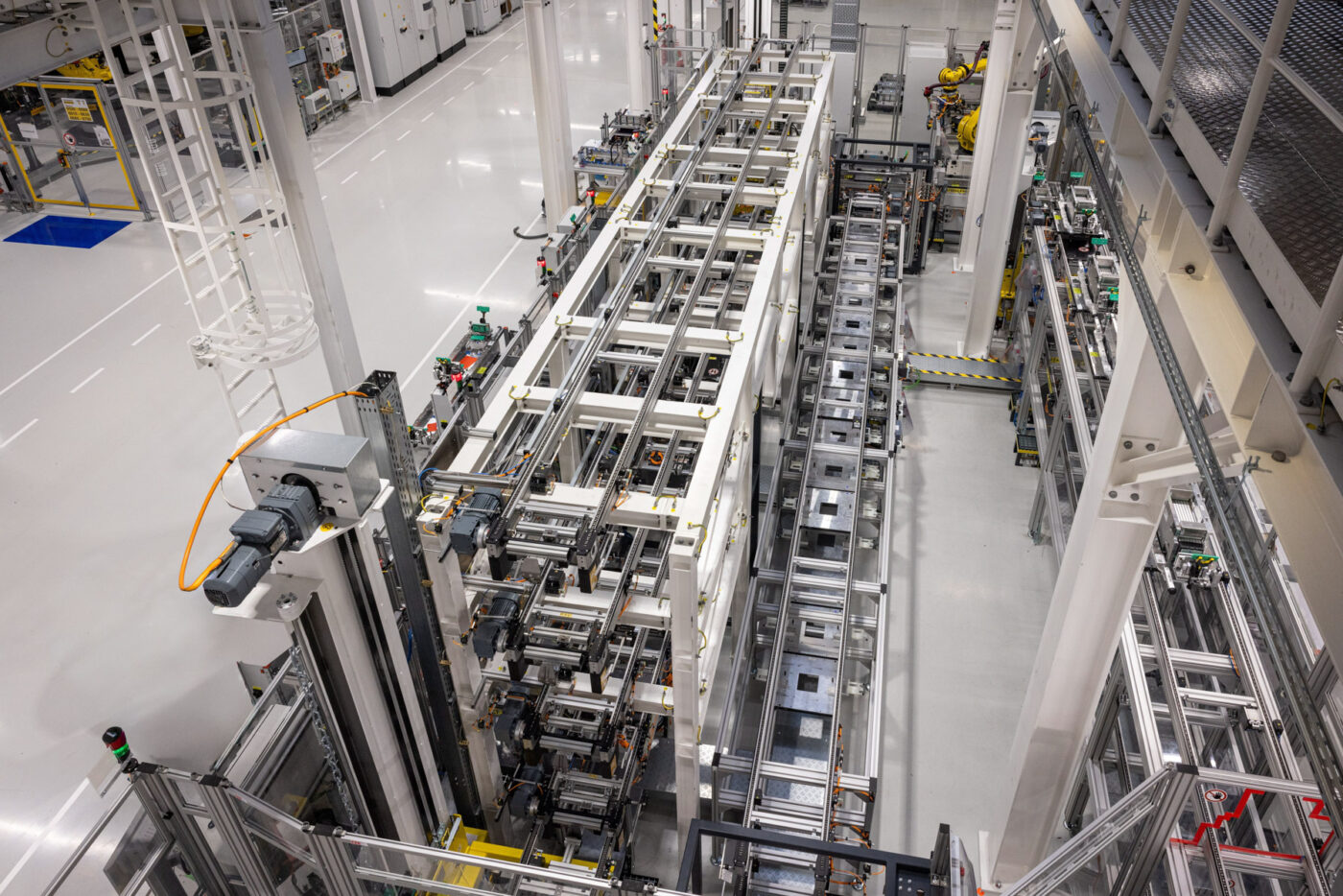
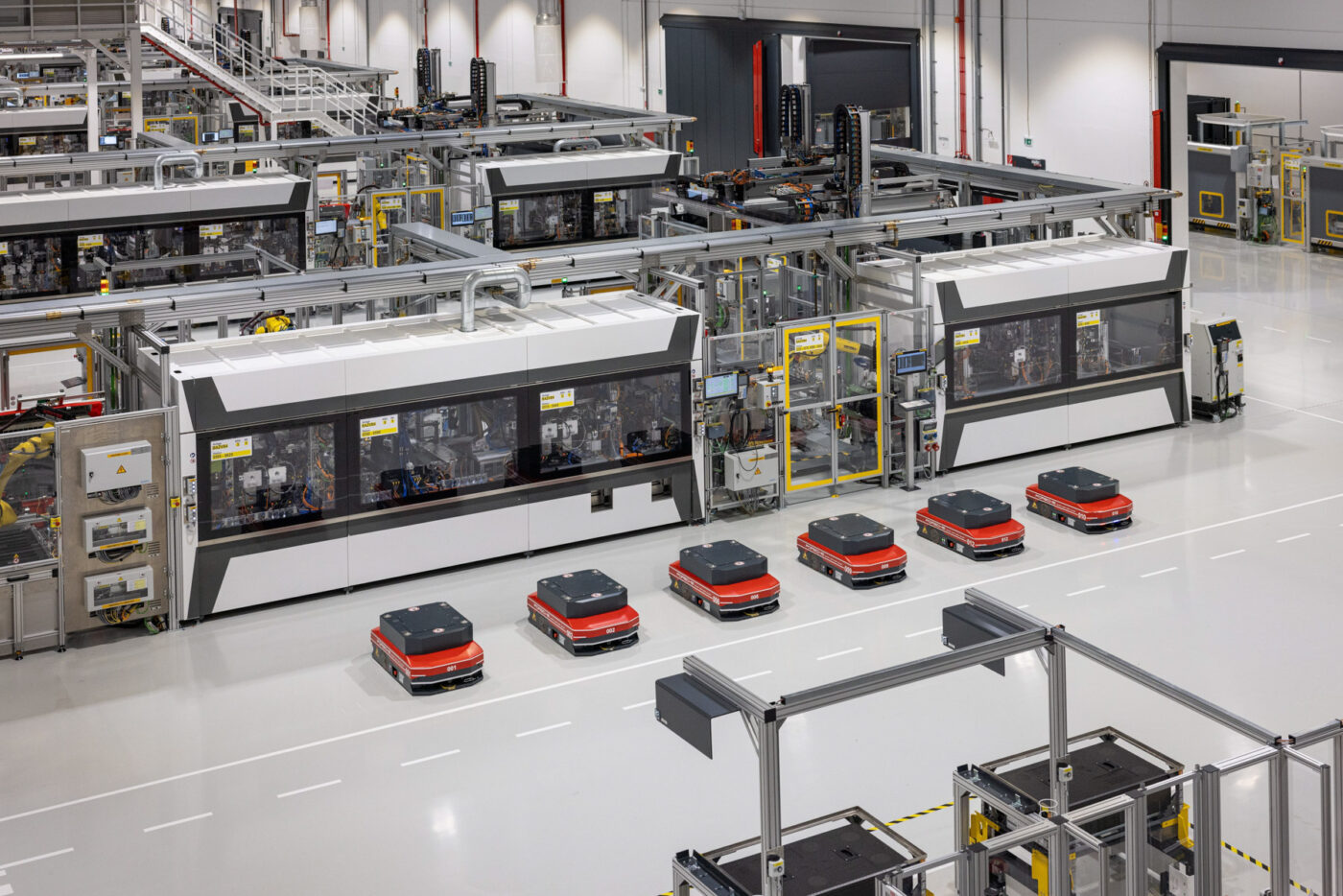
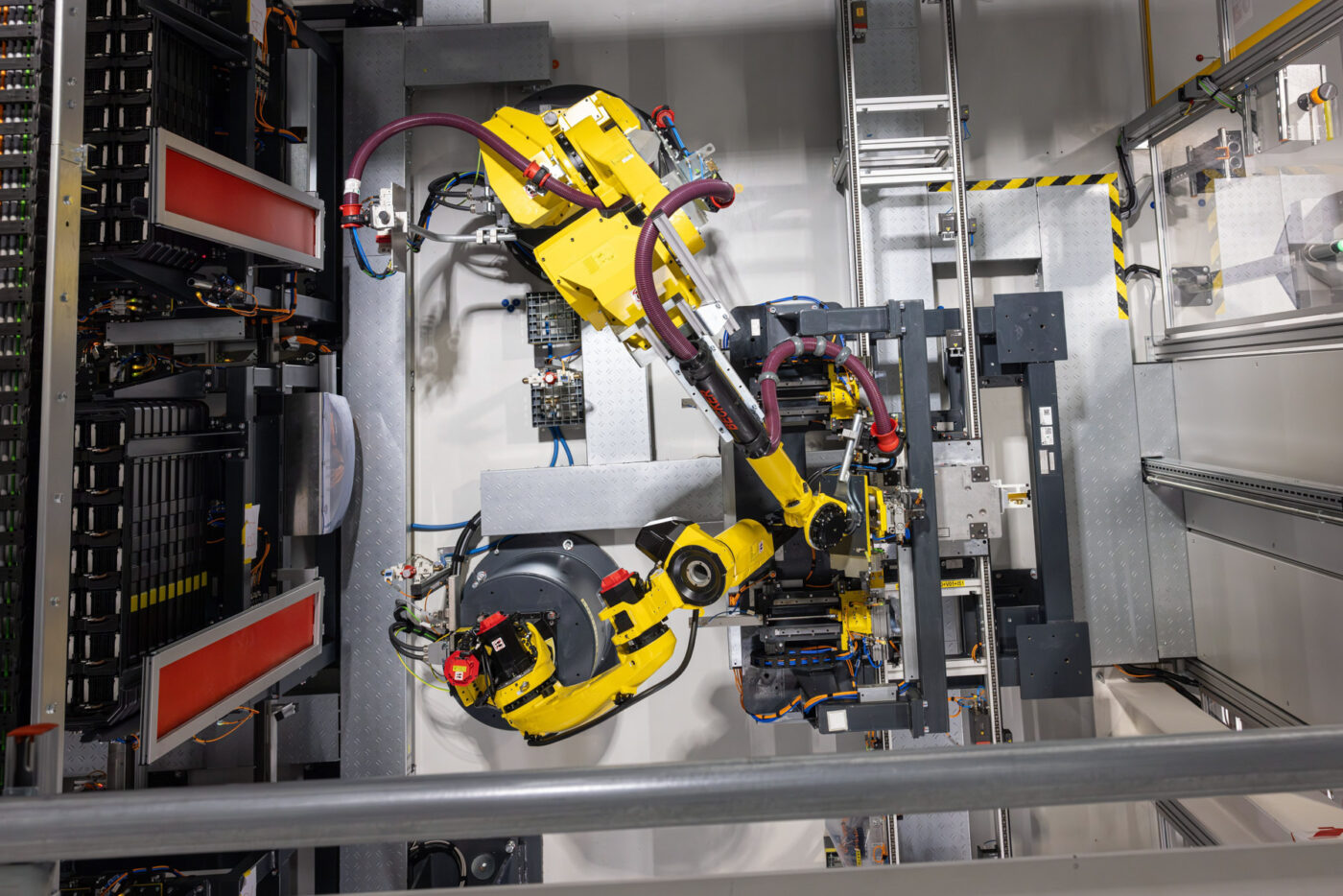
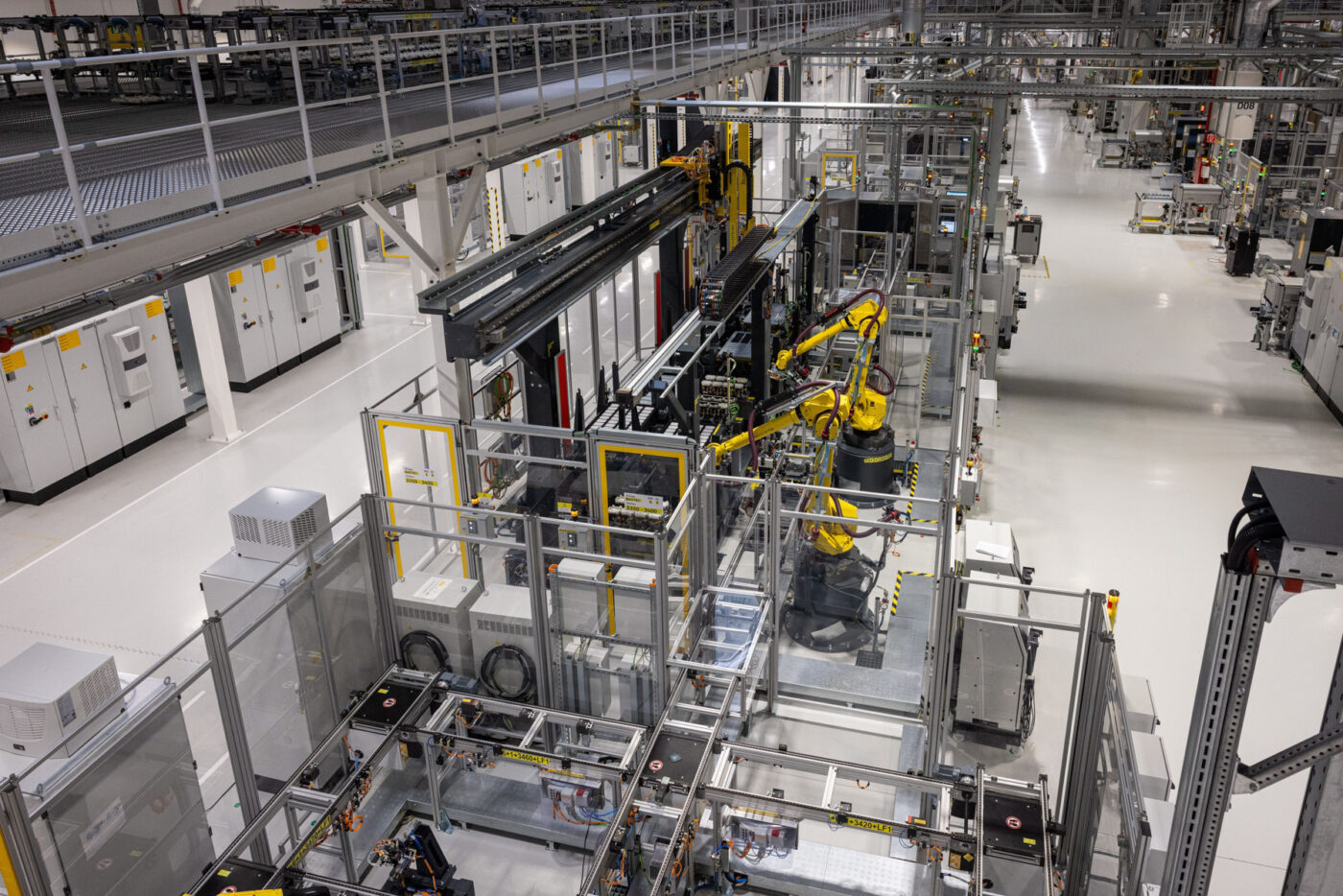
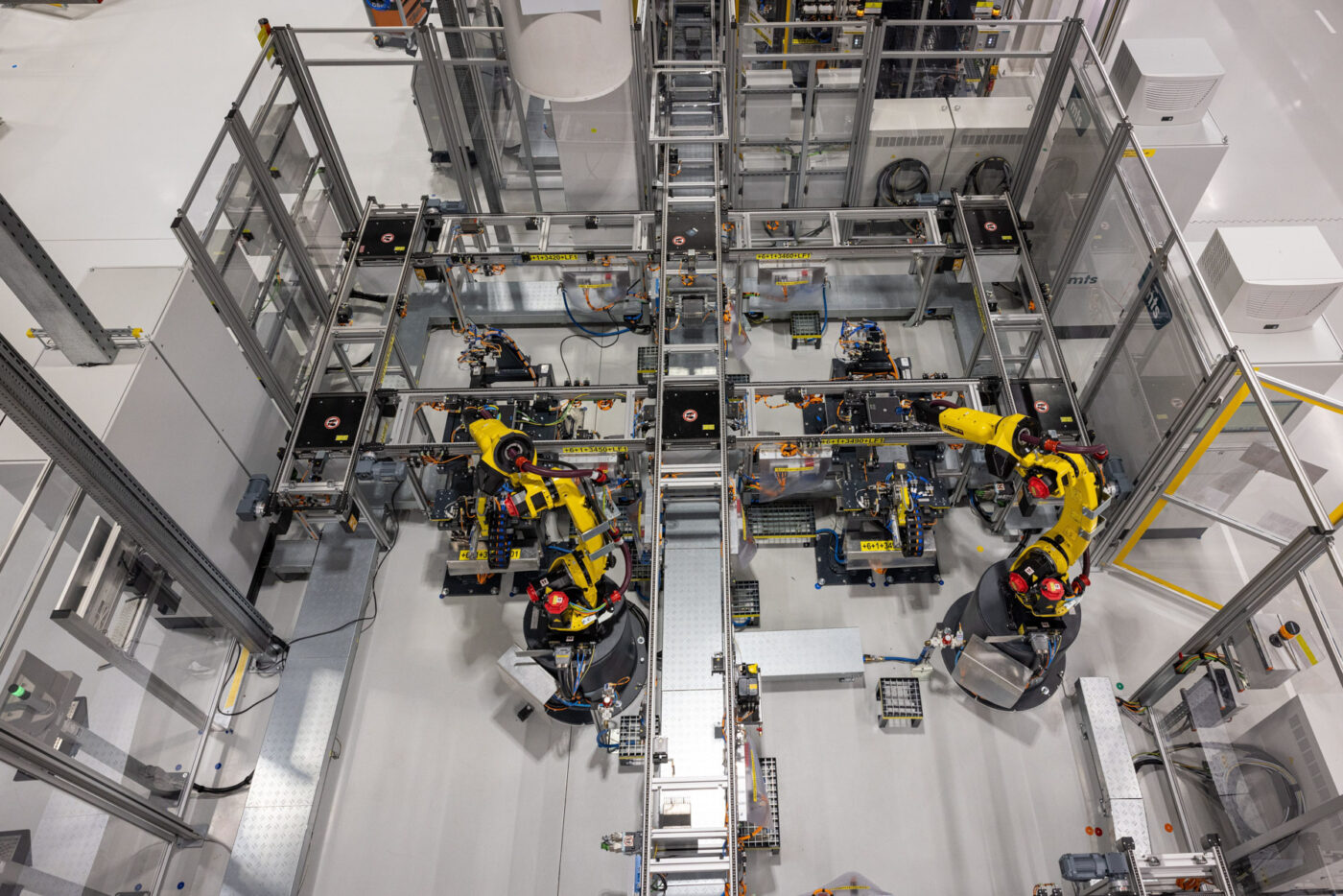
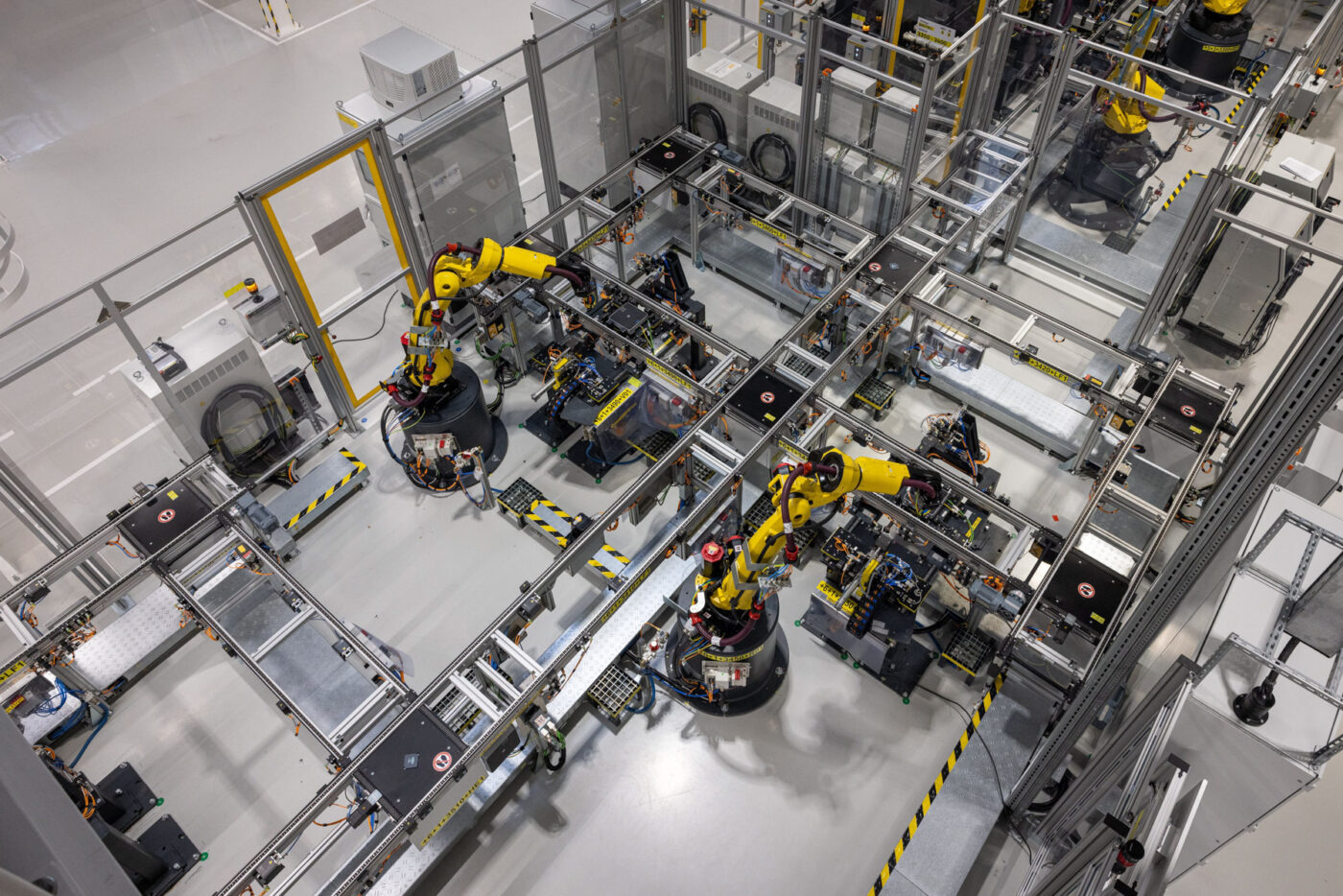
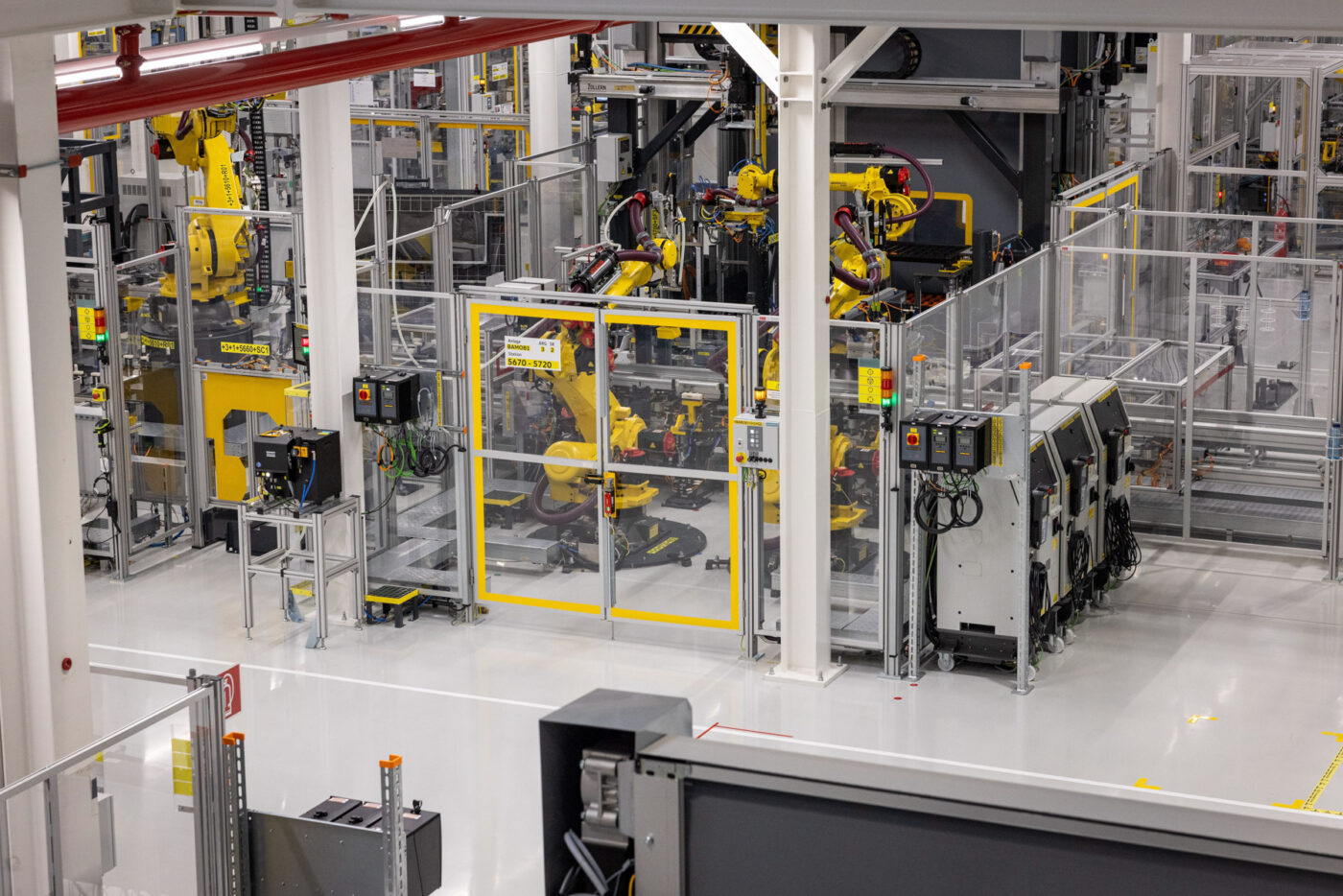
In the production process, 32 prismatic cells supplied by LG Energy Solution are assembled into a complete module. Six of these modules are then combined in a battery frame with all the electronics to form a ready-to-install 113 kWh battery—the traditional battery pack is omitted in the electric Cayenne. Porsche describes the “complex, precisely orchestrated manufacturing process” in Horná Streda as follows:
After an initial inspection, the cells are prepared for further processing. The process begins with stack formation, where the cells are precisely stacked to ensure uniform alignment of the electrodes. These cell stacks are then inserted into their respective cell holders, and the cell tabs are positioned for the subsequent welding process. In this critical step, the cell tabs are joined using automated laser welding. “This process ensures both electrical contact and mechanical bonding. Continuous quality checks of the joints and stacks are carried out,” Porsche explained. These prepared cell stacks, each consisting of eight cells, are then stabilised with a foam material to protect the stacks.
Four of these cell stacks are then inserted into a module housing and secured in place. In addition to the foam within the cell stacks, a further gap-filler material is added. This thermally conductive filler flows into the gaps to improve heat dissipation, as the next step involves bonding the module housings to the cooling plates, “to ensure permanent and thermally efficient connection of the cell stacks.” The Cayenne Electric features two cooling plates – one on the top and one on the bottom. Finally, the process concludes with the mounting and welding of the top plate to structurally seal the module.
The fully assembled modules then undergo various end-of-line tests, including leak tests and electrical checks. “finally, leak tests and various electrical checks are carried out, as well as dimensional checks, visual inspections, function tests and insulation measurements,” the car manufacturer stated. “This ensures that all cells are correctly welded, bonded and electrically connected.” If a module passes these tests, it is shipped to Webasto.
In line with modern production standards, the entire production line is equipped with real-time process data capture. This allows for the collection of extensive data during manufacturing. If deviations are detected during final quality inspections, they can be immediately traced back to production data for analysis. As all production data is archived in the cloud, the facility can, according to Porsche, “provide relevant data immediately and ensure complete traceability even after many years.”



0 Comments