


GM advances LMR battery cells as LFP plans fade
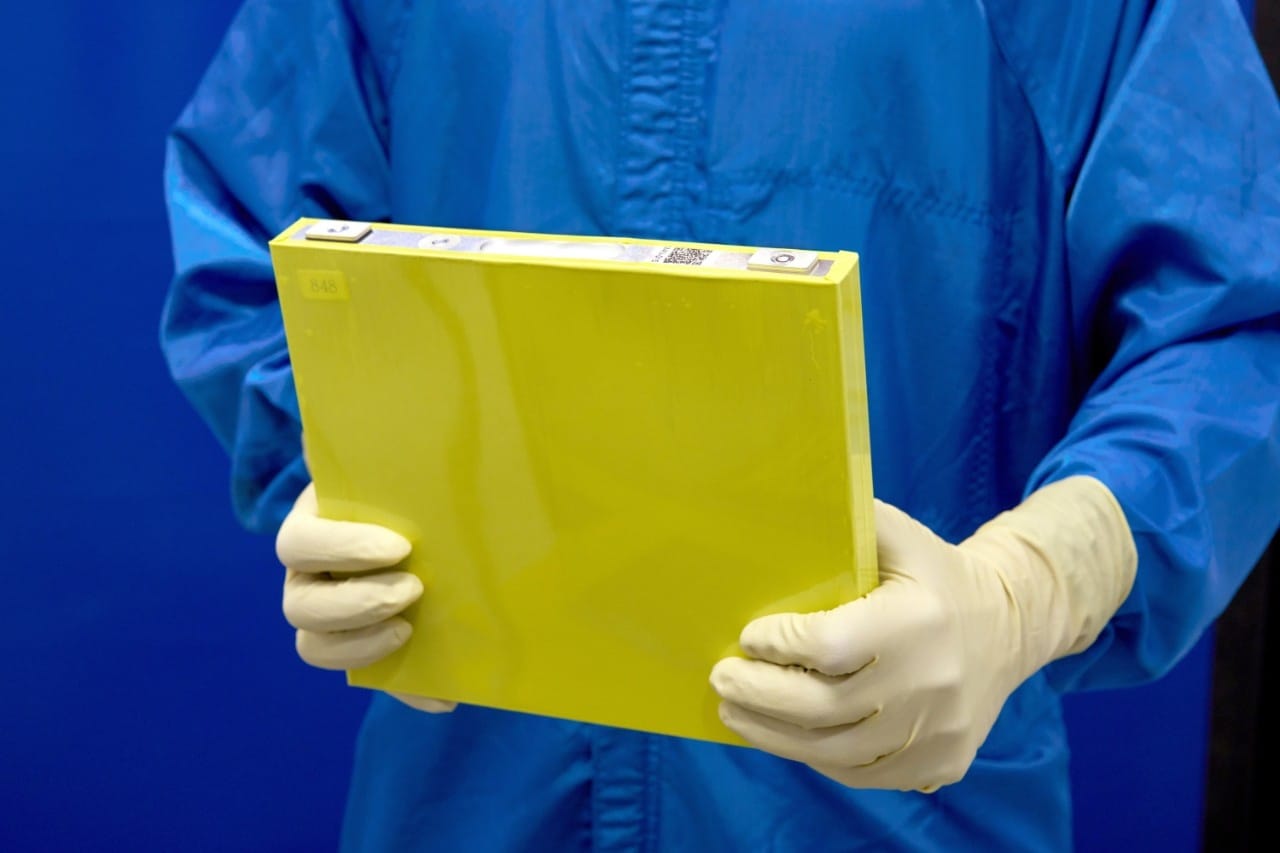
General Motors continues to adjust its battery strategy. The US carmaker initially focused on nickel-based NMCA (nickel-cobalt-manganese-aluminium) cells before announcing plans to convert its cell plant in Spring Hill to produce LFP (lithium iron phosphate) batteries as lower-cost cell technologies gained traction. The company now appears to be preparing another strategic shift.
According to Reuters, GM’s battery chief Kurt Kelty revealed that the manufacturer plans to focus on developing lithium-manganese-rich (LMR) battery chemistry instead of LFP. This technology is expected to cost about the same as LFP cells but offer higher energy storage capacity for the same weight and volume.
Despite the latest shift in strategy, the Spring Hill plant in Tennessee will begin producing LFP cells this month, Kurt Kelty confirmed. However, Reuters reports that these cells are intended for stationary energy storage systems rather than electric vehicles. Ultium Cells, the battery joint venture between General Motors and LG Energy Solution, had already announced in March that it would redirect part of its battery cell production in Tennessee from EV applications to stationary energy storage systems.
“There is a possibility where LFP does not earn its way into our portfolio,” Kelty told Reuters. He also described LMR as GM’s ‘workhorse’ technology. “That’s where we’re going to be using the big volume.” According to the news agency, GM has been developing LMR cells for over a decade. Ford, too, sees significant potential in this technology.
LMR cell chemistry is a further development of conventional lithium-ion batteries that uses a cathode with a high manganese content. Because manganese is significantly less expensive than cobalt, the technology has the potential to reduce battery costs. At the same time, LMR cells are expected to deliver around 33 per cent higher energy density than LFP batteries at a comparable cost level. However, the technology still faces several challenges, including limited durability, high capacity loss and restricted fast-charging performance.
General Motors is collaborating primarily with LG Energy Solution on LMR development. Last year, the partners announced they were working on a new generation of prismatic LMR battery cells, which are expected to be market-ready by 2028. According to earlier reports, these prismatic LMR cells are intended primarily for GM’s electric pickups and large SUVs.
One aspect remains unchanged: the partnership between GM and LG Energy Solution is based on years of joint research. The two companies have been working on manganese-rich lithium-ion cell chemistry since 2015. According to LG Energy Solution, the company held more than 200 patents related to LMR technology as of May 2025, making it the largest holder of intellectual property in this field worldwide.
Beyond the technological benefits, GM has also highlighted the strategic significance of LMR chemistry for the North American battery industry. According to the company, future LMR cell production could rely on domestic supplies of lithium, graphite and manganese.
Most of the electric vehicles GM has brought to market so far are equipped with nickel-rich batteries. An exception is the recently introduced Chevrolet Bolt, which, as the most affordable electric vehicle in the lineup, features LFP cells from the Chinese battery manufacturer CATL.
reuters.com
0 Comments