


LG Energy Solution reportedly drops LG Chem cathodes for Tesla batteries
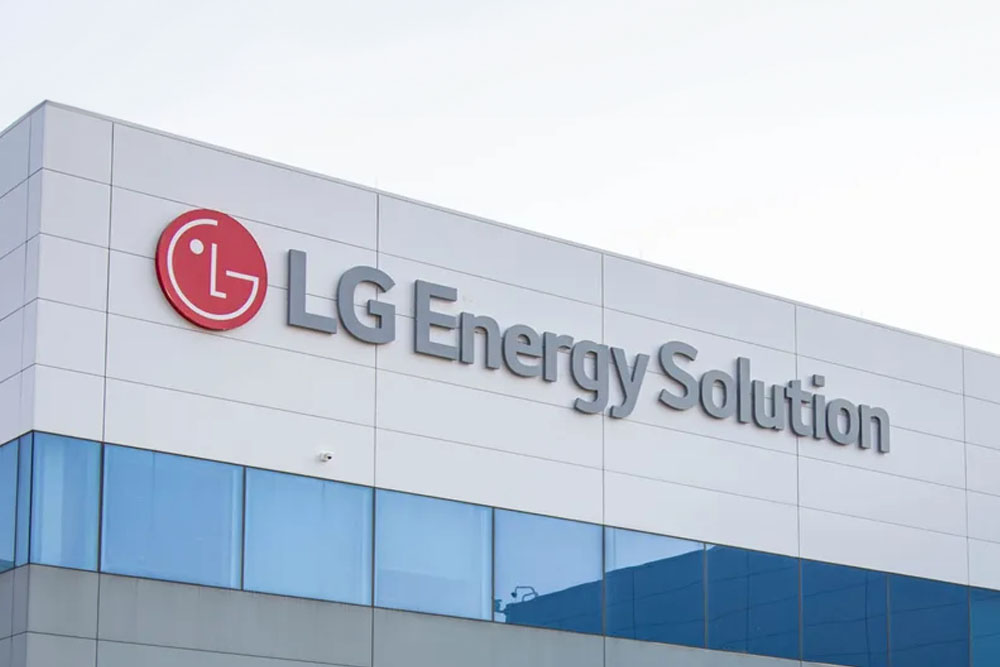
According to the well-connected South Korean business portal Business Korea, the reason is that LG Chem has failed to meet Tesla’s high energy density requirements for NMC batteries with a nickel content of 95%. Cathode materials with 95% nickel are said to enable a 20% higher energy density than existing products with 90% nickel. LG Energy Solution (LGES) supplies the cells for the Model Y Long Range—among Tesla’s various battery packs, those with LG cells are designated with the number 5. In the Model Y Juniper, the battery pack is referred to as “5M”.
As reported, citing unnamed representatives from the battery industry, Tesla is increasingly pressing its suppliers to deliver ultra-high-nickel batteries for use in its electric vehicles and the humanoid robot Optimus. Battery cells with higher energy density can increase an electric vehicle’s range or reduce costs if the same range is achieved with fewer cells. This, however, only applies if the altered raw material costs do not outweigh the benefits of increased energy density.
According to the report, LG Chem has not yet achieved the production volumes or quality standards required by Tesla for products with a nickel content of 95% or more. To date, LG Chem has primarily mass-produced products with 90% nickel content. As Tesla pursues its dual strategy—using high-nickel batteries for premium models and LFP batteries in the entry and mid-range segments—it sets strict requirements in the high-nickel sector. Suppliers like LG Chem must meet these demands or risk seeing their supply volumes decline. For Tesla’s cells from LGES, cathode materials from L&F are expected to be used increasingly from the second half of 2025.
Analysts describe LG Energy Solution’s decision to reject materials from a sister company within the LG Group and instead source externally as the ‘harsh reality of the current battery market’ and ‘that a survival battle is underway.’ They warn that material suppliers failing to secure performance and price competitiveness in time will fall behind—even if they are sister or subsidiary companies.
Amid the ongoing electric vehicle demand gap—a temporary decline in demand before mass adoption—a ruthless battle for survival is unfolding. Material suppliers that fail to secure their performance and price competitiveness in time will fall behind, even if they are subsidiaries.
As companies like Tesla set standards with their material requirements and more automakers adopt the dual strategy of using LFP and NMC cells, the pressure on cell manufacturers and their material suppliers to innovate remains high. For LFP cells, continuous improvements in pricing and energy density are demanded, while NMC materials for premium models must consistently deliver in terms of energy density and performance, as premium vehicles are defined by innovation.
0 Comments