


Scotland awards £45m for zero-emission buses and coaches
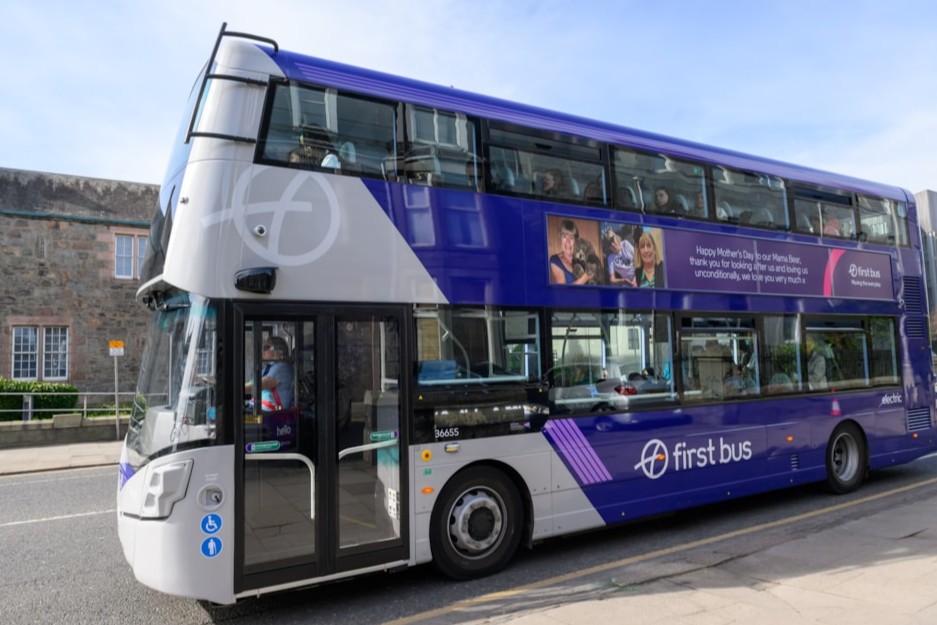
This is the third round of the Scottish Zero Emission Bus Challenge Fund (ScotZEB3). The 45 million pounds will support the deployment of 334 zero-emission vehicles. Specifically, it will fund 227 electric buses and 107 electric coaches.
The programme combines public and private investment, with each £1 of government funding leveraging more than £2.50 in private capital. Operators including Rock Road, First Bus, Ember, Stagecoach and Lothian will receive support for vehicle procurement, repowering and infrastructure projects.
Rock Road will acquire 93 vehicles, including 14 double-deck buses from Alexander Dennis (ADL), 69 single-deck ADL buses and 10 Wrightbus models. First Bus will repower 15 double-deck buses and purchase 22 new double-deck vehicles from Yutong. Ember’s allocation covers 100 Yutong zero-emission coaches, while Stagecoach will introduce a mix of 44 Yutong buses and coaches. Lothian will procure 60 double-deck buses, including models supplied by Volvo and ADL as well as Wrightbus.
The Scottish Government confirmed that the funding also supports the rollout of charging infrastructure required to operate the electric fleets.
The programme follows earlier investment rounds under ScotZEB and the Scottish Ultra Low Emission Bus Scheme (SULEBS), which together have supported around 800 zero-emission buses and infrastructure through £154 million in capital funding since 2020.
“This final investment of £45 million from the Scottish Government through ScotZEB3 signals our commitment to a zero-emission future for Scotland’s bus sector,” said Fiona Hyslop, Cabinet Secretary for Transport. “Since 2020, we have invested over £154 million in zero-emission buses and infrastructure.”
“The programme is not only reducing emissions – it’s supporting jobs and our economy, connecting communities across Scotland and improving the experience for passengers across the country,” Hyslop explained.
The ZEB funding scheme is a proven tool to help drive the electrification of the bus sector. According to the SMMT, Scotland recorded the highest growth among UK nations in 2025, surging 162.3% to 1,188 units.
It is interesting to note that when the Scottish Government announced round 2 of the Scottish Zero Emission Bus Challenge Fund in 2024, it referred to it as the ‘second and final phase.’ Even when it reopened the funding round in 2025 ‘ to expand the number of projects supported under the initiative,’ it was still deemed the last. Now, that description has been passed on to round three, as noted on Transport Scotland’s website.
Initially launched in 2021, the Scottish Zero Emission Bus Challenge Fund supports consortium bids involving operators, financiers, manufacturers, infrastructure providers and local authorities. The goal is to make zero-emission vehicles the standard for all bus and coach operations, including school, community, health transport and tourism services.
As with further funding rounds, the government added that it is assessing potential regulatory measures under the UK Bus Services Act 2025, which could apply from 2030 at the earliest. These measures would ‘prohibit the use of new non-zero emission buses on registered local bus services.’ Officials say this will form part of wider efforts to decarbonise heavy-duty vehicles and encourage modal shift to public transport.
transport.gov.sco (announcement), transport.gov.scot (ScotZEB3)
0 Comments