

Relaxed CO₂ rules save VW billions in potential fines
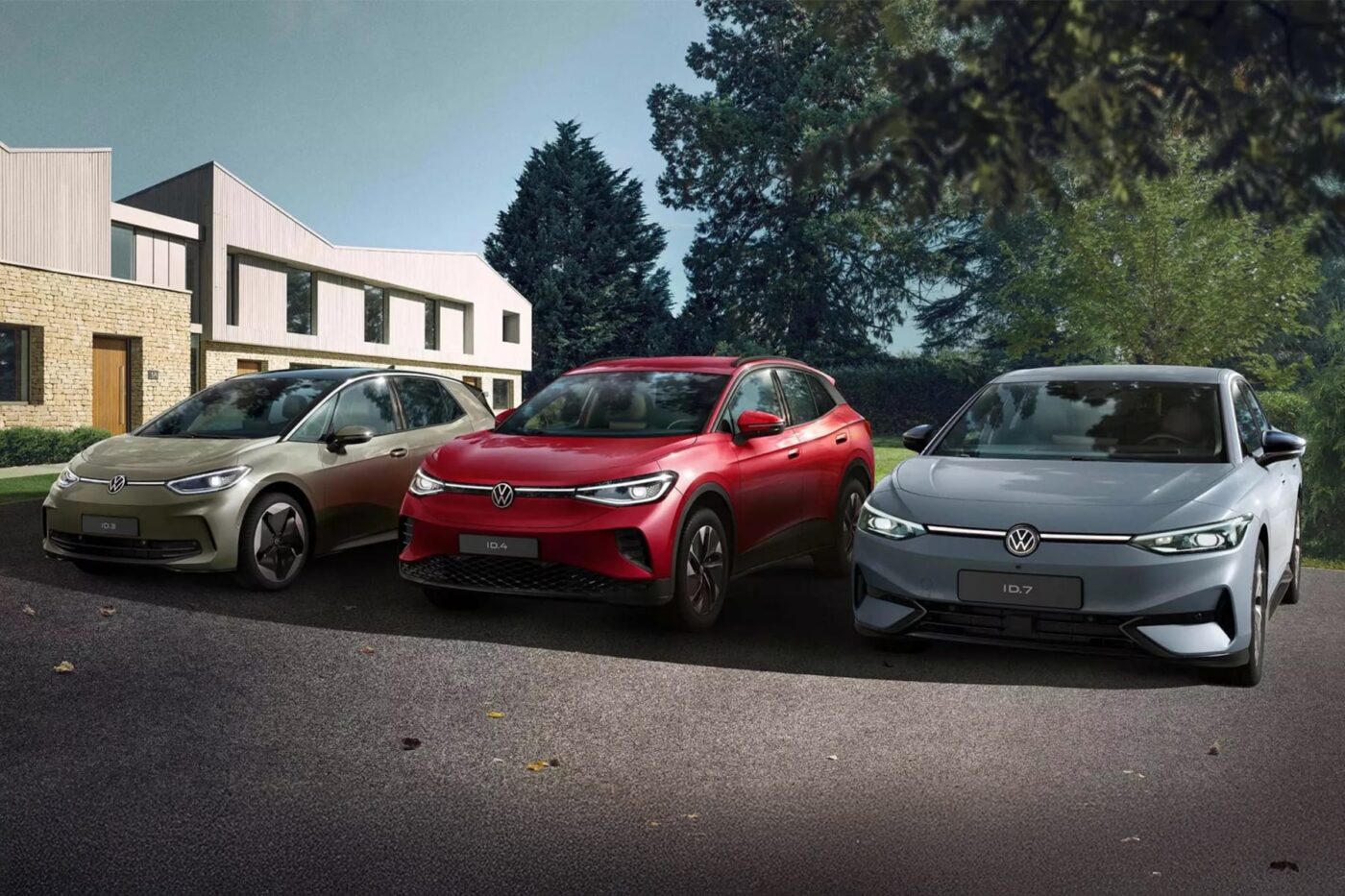
A brief background: the EU’s CO₂ targets set slightly different limits for each manufacturer, depending on the types of vehicles sold. For example, Mercedes and Smart must achieve 90 g/km, while the Volkswagen Group is required to meet an average of 92 g/km. However, the EU decided in 2025, following a proposal by the Commission, that carmakers would no longer need to meet these targets annually but only on average over the years 2025, 2026, and 2027. Failing to meet the 2025 targets thus has no immediate consequences, as any shortfall can be offset by better performance in 2026 and 2027.
Nevertheless, the 2025 figures remain interesting as a kind of interim assessment. According to Dataforce, Volkswagen would have faced a hypothetical fine of nearly €1.7 billion based on its 2025 CO₂ figures. Der Spiegel calculated an even higher hypothetical penalty of around €2.2 billion for the Volkswagen Group, using data from the environmental organisation ICCT.
BMW exceeds CO₂ targets for 2025
According to Dataforce’s figures, Mercedes would have exceeded its target by 12.5 grams, resulting in a hypothetical fine of €712 million payable to the EU. However, even under the ‘old’ rules, this scenario would not have materialised in practice, as the German carmaker has formed a CO₂ pool with the Geely Group. Thanks to strong performance from electric vehicles and plug-in hybrids at Volvo, as well as fully electric brands like Polestar and Zeekr, this pool achieves a CO₂ output of just 51.7 g/km. When weighted by sales, the pool collectively reaches 86.5 g/km, which is 5.1 grams below its joint target. While the ICCT’s calculations in the Spiegel article suggest Mercedes exceeded its target by 19 grams, this does not change the outcome: “Mercedes would have avoided a fine, but payments to pool partners would likely have been necessary,” Der Spiegel notes.
As an ICCT analysis from the beginning of the month based on 2025 figures up to November had already indicated, BMW is the only German manufacturer to have met its CO₂ targets for 2025; both the ICCT and Dataforce agree on this. Specifically, Dataforce reports that BMW achieved a CO₂ value of 90.3 g/km against a target of 93.9 g/km. In addition to BMW and the aforementioned Geely Group, Tesla, Toyota, Leapmotor, and BYD also met their targets and avoided fines in Dataforce’s calculations. For Tesla, as a purely battery-electric vehicle manufacturer, this was never in question. Leapmotor (with an excess of 1.4 g/km due to some range-extender vehicles) and BYD (with some PHEVs and an excess of 9.2 g/km) also easily met their targets. Toyota, with a target of 96.3 g/km, achieved 96.1 g/km according to Dataforce—just below the threshold. However, the final official figures are still awaited.
Even if Toyota ultimately exceeds its target slightly, no fine would be imposed. This is due to the averaging rule and the fact that the Japanese manufacturer is part of the ‘Tesla Pool.’ It exceeds its target by just 0.3 g/km. However, the strong results from Tesla, Leapmotor, and Toyota must also offset ‘CO₂ offenders’ like the Stellantis Group, which, despite exceeding its target of 96.3 g/km by only 6.6 g/km, would face a fine of $1.03 billion due to its high sales volumes. The biggest outlier in the ‘Tesla Pool’ is Subaru, which, according to Dataforce, achieved a fleet CO₂ output of 169.9 g/km in the EU in 2025—against a target of 91.3 g/km. The Japanese carmaker thus exceeds its target by 78.7 grams and, despite its relatively low sales figures, would have had to pay €128 million.
However, regardless of the calculation basis, these fines remain hypothetical, as manufacturers were able to factor in the possibility of exceeding the 2025 targets in their planning. Had fines actually been imposed, manufacturers could have taken further measures to avoid them—such as special discount or leasing campaigns for battery-electric vehicles or scaling back production of internal combustion engine models. Carmakers like VW, Renault, and Hyundai, all of which exceeded their targets, could have easily joined a CO₂ pool but apparently believe they can meet the targets by 2027 through their own efforts. “Manufacturers would likely have exhausted every other option before accepting fines,” Peter Mock, ICCT’s Europe Director, is quoted as saying in Der Spiegel.
Mock estimates that, under the original rules, manufacturers would have registered up to 500,000 more battery-electric vehicles to avoid fines. This would have likely taken the form of self-registrations or discounts, which would have marginally reduced profit margins. It is therefore clear that the EU’s adjusted rules had a tangible impact on the industry’s efforts to sell more electric vehicles.
spiegel.de (ICCT figures; in German), automobilwoche.de (Dataforce calculations; in German)
0 Comments