


Study: European companies ramp up electric fleet adoption
The 15-page survey by DKV Mobility provides a comprehensive overview of planned fleet procurement, charging infrastructure deployment, and the barriers slowing the further integration of battery-electric vehicles in corporate fleets. For this market research study, 1,732 fleet managers were interviewed.
The result is a report titled “E-mobility in companies: Where Europe stands – and what is slowing down expansion,” which offers valuable insights into eight EU markets, including Germany.
“Our report clearly shows that electrification in European companies is accelerating. At the same time, it becomes evident that transforming corporate fleets remains a complex strategic task for many businesses,” said Sven Mehringer, Managing Director at DKV Mobility and responsible for Energy & Vehicle Services.
The survey specifically covers the markets in Germany, Italy, France, the Netherlands, Spain, Poland, the Czech Republic, and Romania. The survey was conducted by the market research institute Innofact AG, commissioned by DKV Mobility, in November 2025.
Key findings include: Despite a gradual increase in electric vehicles within corporate fleets, conventional drivetrains continue to dominate European company fleets. “Diesel remains the most common fuel type, followed by petrol,” according to the study’s authors. However, electrified drivetrains, such as battery-electric vehicles and plug-in hybrids, are gaining traction.
The shift is particularly evident in countries like the Netherlands, which already boasts an above-average share of battery-electric vehicles in corporate fleets compared to the rest of Europe. Specifically, among the surveyed Dutch companies, 31% operate petrol vehicles, 23% diesel, 21% electric cars, and 16% plug-in hybrids. Germany ranks in the upper mid-range of the European spectrum, with 36% diesel, 32% petrol, 16% electric vehicles, and 9% plug-in hybrids.
However, the pace of electrification varies significantly across Europe. The other countries surveyed report a share of electric vehicles ranging between 6% and 15%. In several Central and Eastern European countries, companies continue to rely more heavily on conventional drivetrains and hybrid transitional solutions.
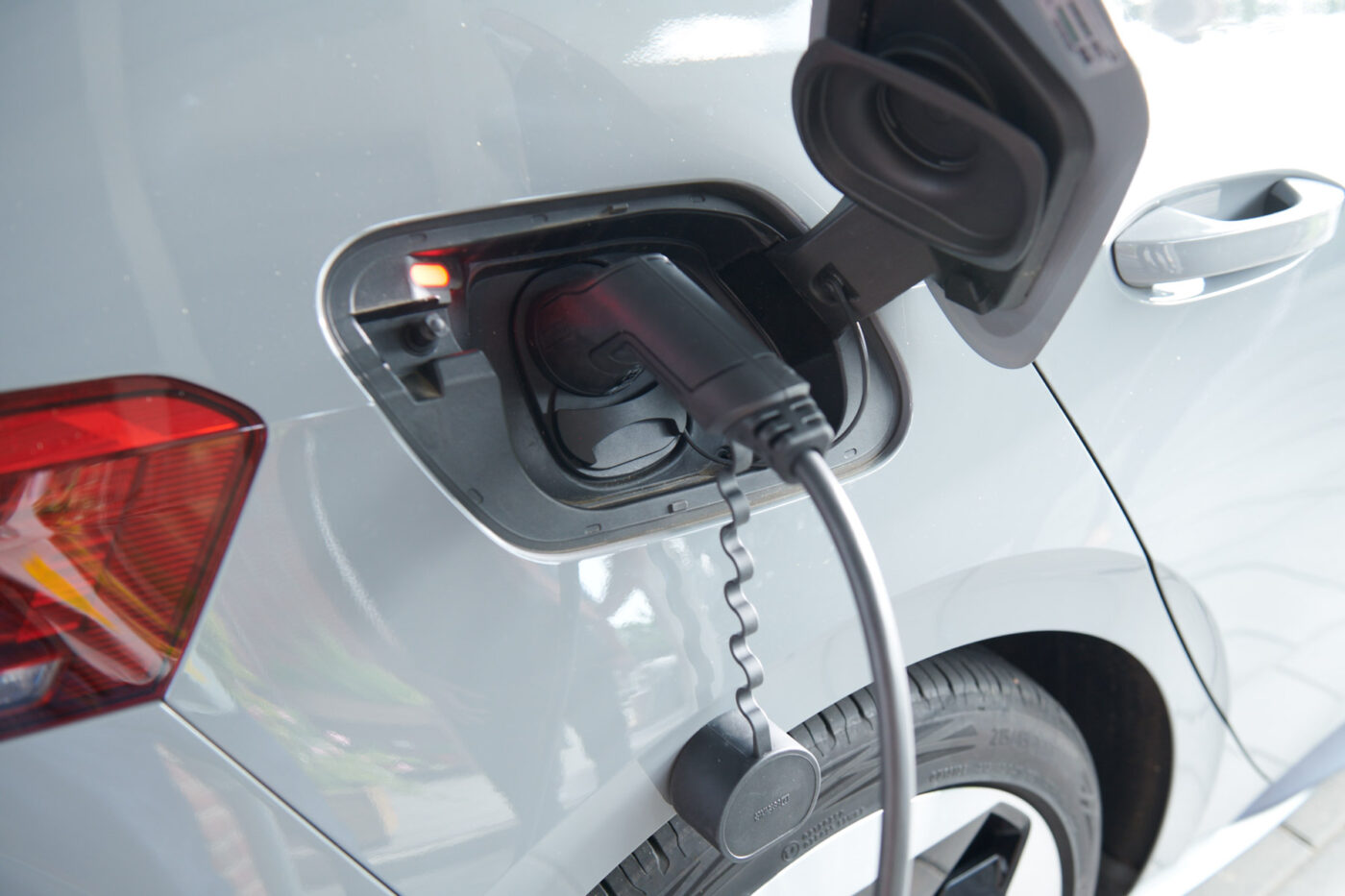
Nevertheless, one trend is clear: companies that already operate electric vehicles are predominantly investing in their own on-site charging solutions. Currently, around nine out of ten companies with electric vehicles have charging infrastructure installed on their premises.
“t the same time, many companies are investing in their own charging solutions. Today, around nine out of ten companies with electric vehicles already operate charging infrastructure on their premises. A clear majority also plans to further expand this infrastructure over the next two years,” the analysts note.
A notable observation is that most companies with charging solutions prefer fast chargers over standard chargers. Germany is an exception: here, wall boxes are more commonly installed. Across borders, however, many respondents agree that the public fast-charging infrastructure still requires significant expansion.
The key barriers to further electrification cited by companies include high acquisition costs, rising electricity prices, and the perceived limited range of electric vehicles. Additionally, many respondents highlight the insufficiently developed public charging infrastructure. In Germany, economic factors play an especially significant role.
“Companies identify three main barriers to further electrification: high purchase costs, rising electricity prices, and the perceived limited range of electric vehicles,” the study’s authors write. At the same time, German companies are planning investments above average in their own charging infrastructure to make the operation of electric fleets more predictable in the long term.
The study fundamentally highlights that the transformation of corporate mobility is shaped by several structural factors. According to DKV Mobility, three themes are central to fleet management: increasing cost pressure, growing sustainability requirements, and the electrification of fleets. Larger companies and the transport sector, in particular, face these challenges, which is why these areas are leading the way in electrification. Smaller companies and other industries, however, are proceeding more cautiously.
Nevertheless, one thing is clear: the acceptance of electric vehicles is growing. This is evident from the fact that around 56% of the surveyed companies intend to purchase more battery-electric vehicles within the next two years, while only a small proportion expects a decline. Plug-in hybrids also remain an important component of fleet strategies. Conventional internal combustion engine vehicles, on the other hand, are set to lose significance in the long term.
In Germany, 53% of companies state that they plan to acquire new electric vehicles within the next two years. Interestingly, Romania stands out with 74% of companies willing to do so. As mentioned earlier, company size plays a crucial role: larger companies invest more heavily in electromobility than smaller ones. Across all countries included in the study, two-thirds of large companies say they intend to integrate more electric vehicles within the next two years.
“Many companies have clearly committed to electrifying their fleets. The decisive factor now will be whether key framework conditions, such as costs, energy prices and infrastructure can keep pace with this momentum,” said Mehringer.
dkv-mobility.com, dkv-mobility.com (Study as PDF)
0 Comments