

Outlook 2026: these electric cars will hit the road
Who would have predicted it? Herbert Diess’ strategy, the former CEO of the Volkswagen Group, to focus more on electric cars following the Dieselgate emissions scandal, has paid off. Today, the German sales statistics are led by the ID. models. Known internally in Wolfsburg as “Der Herbert,” he was not always an easy figure. He came from BMW, where the electric car is now also gaining momentum—so much so that the Neue Klasse models are facing delivery delays. Even Mercedes has belatedly recognised that growth can only be achieved through electric cars.
Nevertheless, not everything is rosy at Germany’s automotive hub. While the share of electric cars is steadily increasing—22.2 per cent of new registrations in November were for this drivetrain—the harsh reality of overcapacities and excessively high unit costs remains largely unchanged.
It is high time to restore competitiveness, even in comparison with other European markets. However, politicians prefer to fuel ‘German Angst’ and use the phase-out of internal combustion engines as a distraction. Spoiler: it is only happening on the surface.
No one wants to return to the ICE
For those working in and around the electric vehicle industry, 2026 promises to be a very good—or even exceptional—year. The proposed purchase incentives for private households with low or middle incomes may not even be necessary for this to happen.
Far more important is the fact that more and more customers are experiencing firsthand how well electric cars perform in everyday life. Despite what some comment sections might suggest: no one wants to return to the internal combustion engine.
This is a global trend that no one can escape. And while the dominance of German manufacturers in their home market should not lead to complacency—after all, manufacturers in Asia and the USA know exactly what they are doing—it is clear that the shift is irreversible.
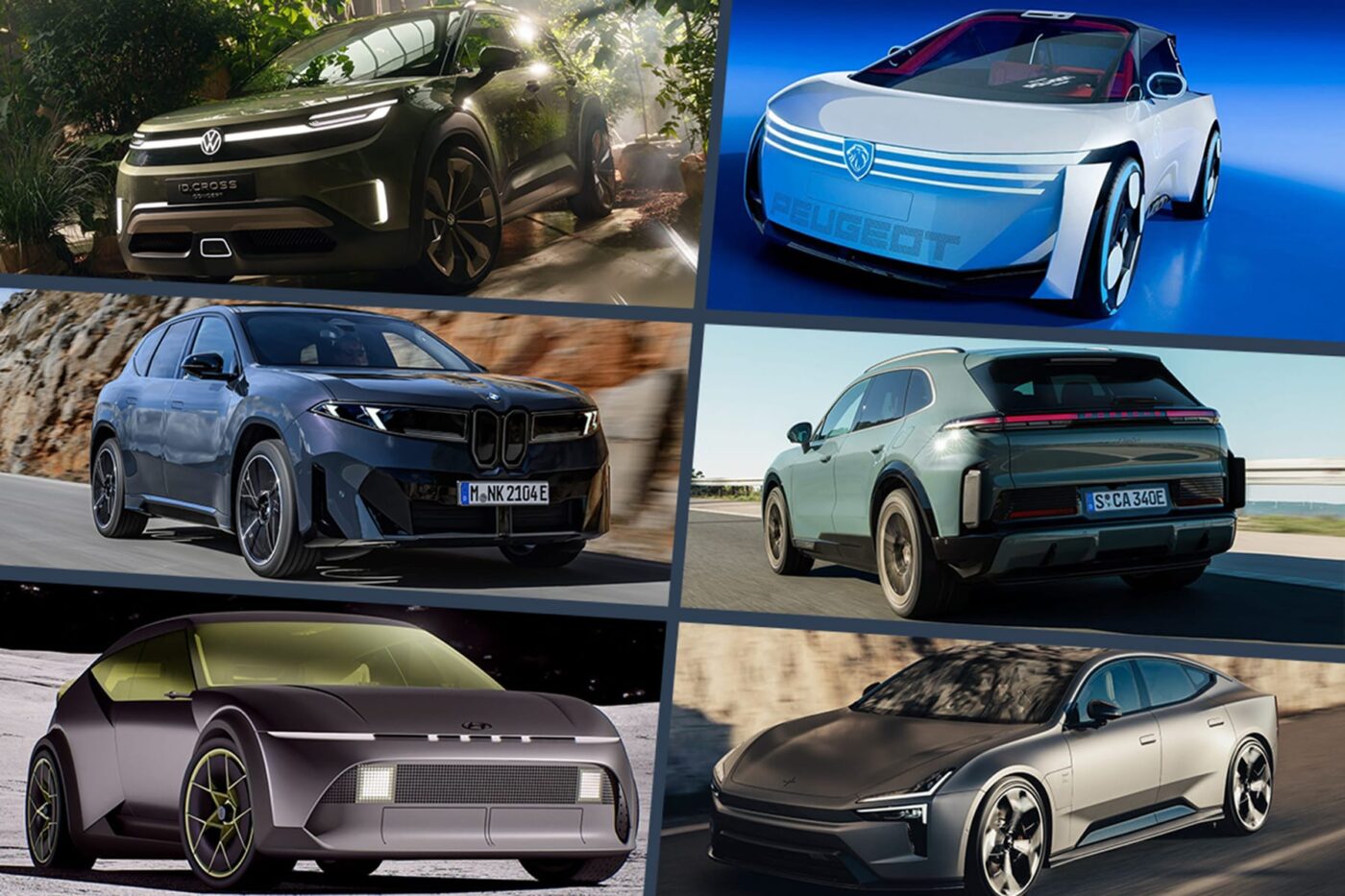
2026 will be a year of electric cars that, on the one hand, can charge increasingly faster. On the other, there will be many new models in the so-called affordable electric car segment. In addition, there will be numerous rollouts of previously introduced vehicles and many facelifts. In our overview, we focus on the most important highlights—namely, the world premieres.
Here’s what 2026 has in store, listed alphabetically:
Audi will reimagine the A2. Little is known about the upcoming A2 so far, but it is likely to be Ingolstadt’s answer to the Volkswagen ID.3. The major product upgrade for the ID.3, which will be unveiled this summer, could also serve as the technical basis for the A2: featuring rear-wheel drive and a base version equipped with cost-effective LFP cells instead of NMC. Oh, and Volkswagen will gradually replace the rear drum brakes with disc brakes across all models.
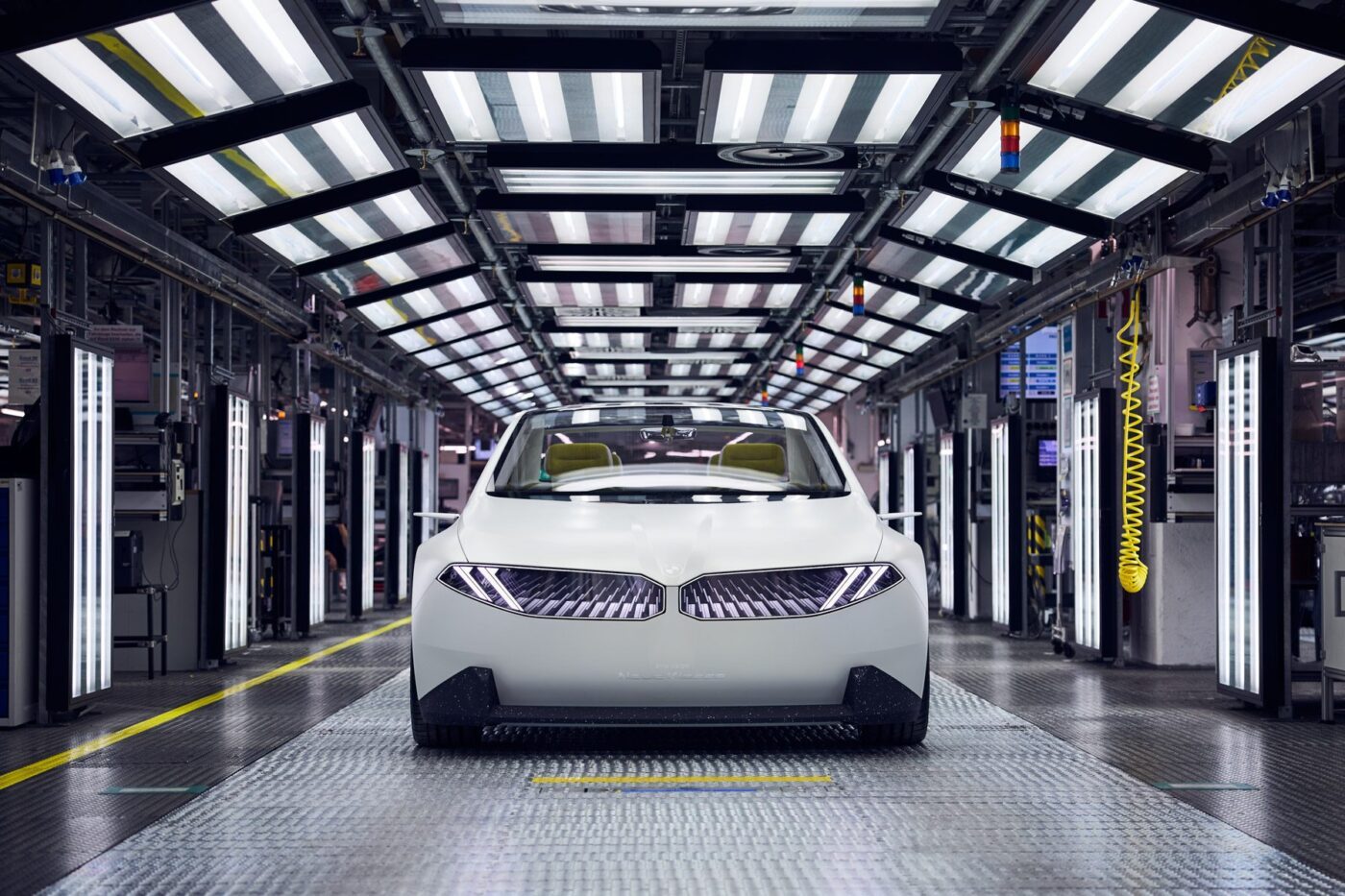
At BMW, everything revolves around the Neue Klasse. The iX3 will be joined by the coupé-like iX4. Additionally, the 3 Series will be electrified: it will be called the i3 and i3 Touring and is set to debut in the second half of the year. Progress in Munich is accelerating.
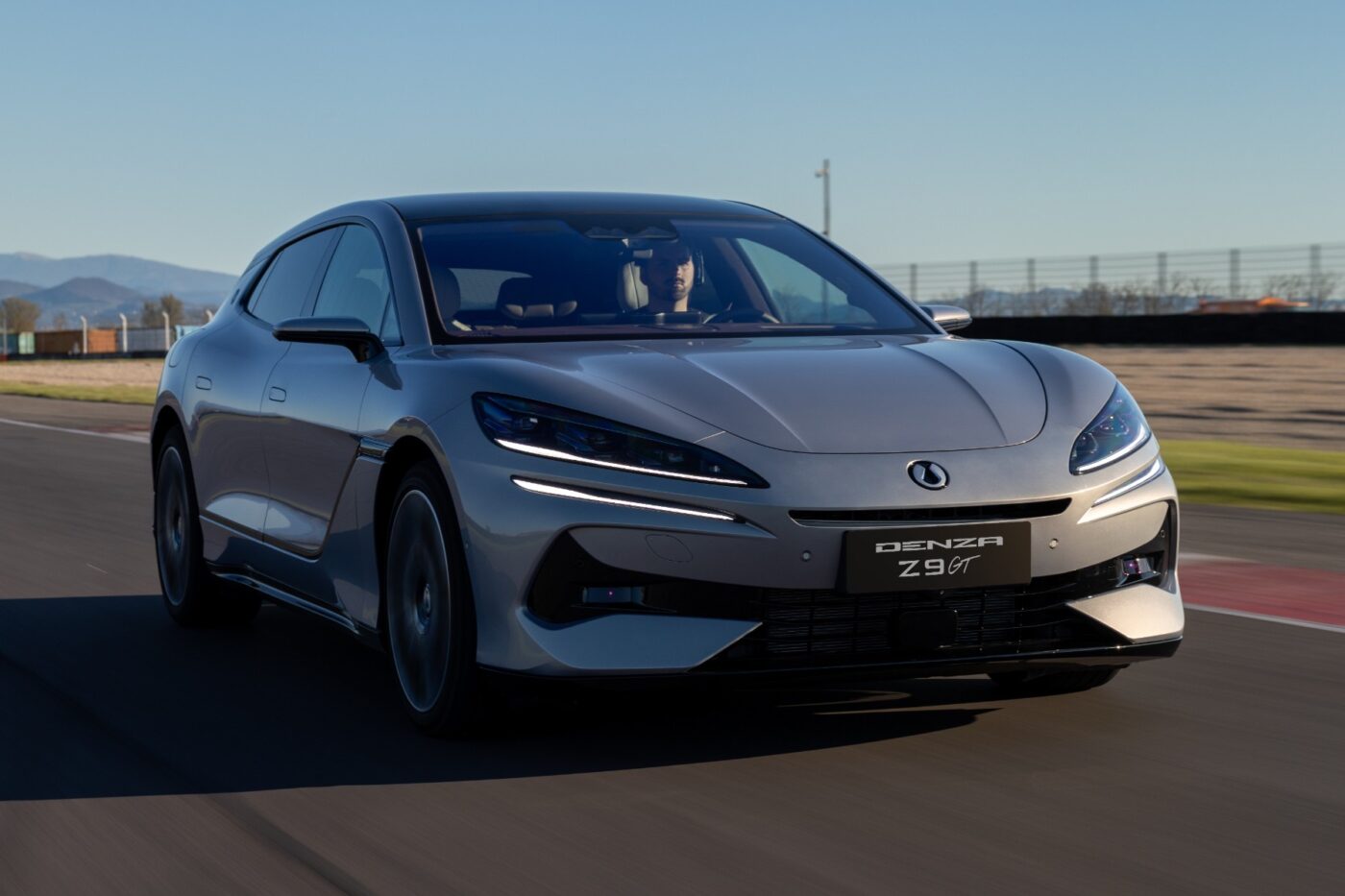
Meanwhile, BYD could finally overtake Tesla as the world’s largest manufacturer of electric cars. The core BYD brand will expand its portfolio primarily with variants featuring larger traction batteries capable of significantly faster charging. The focus is on introducing the premium sub-brand Denza and Flash Charging: BYD plans to achieve charging capacities of up to one megawatt.
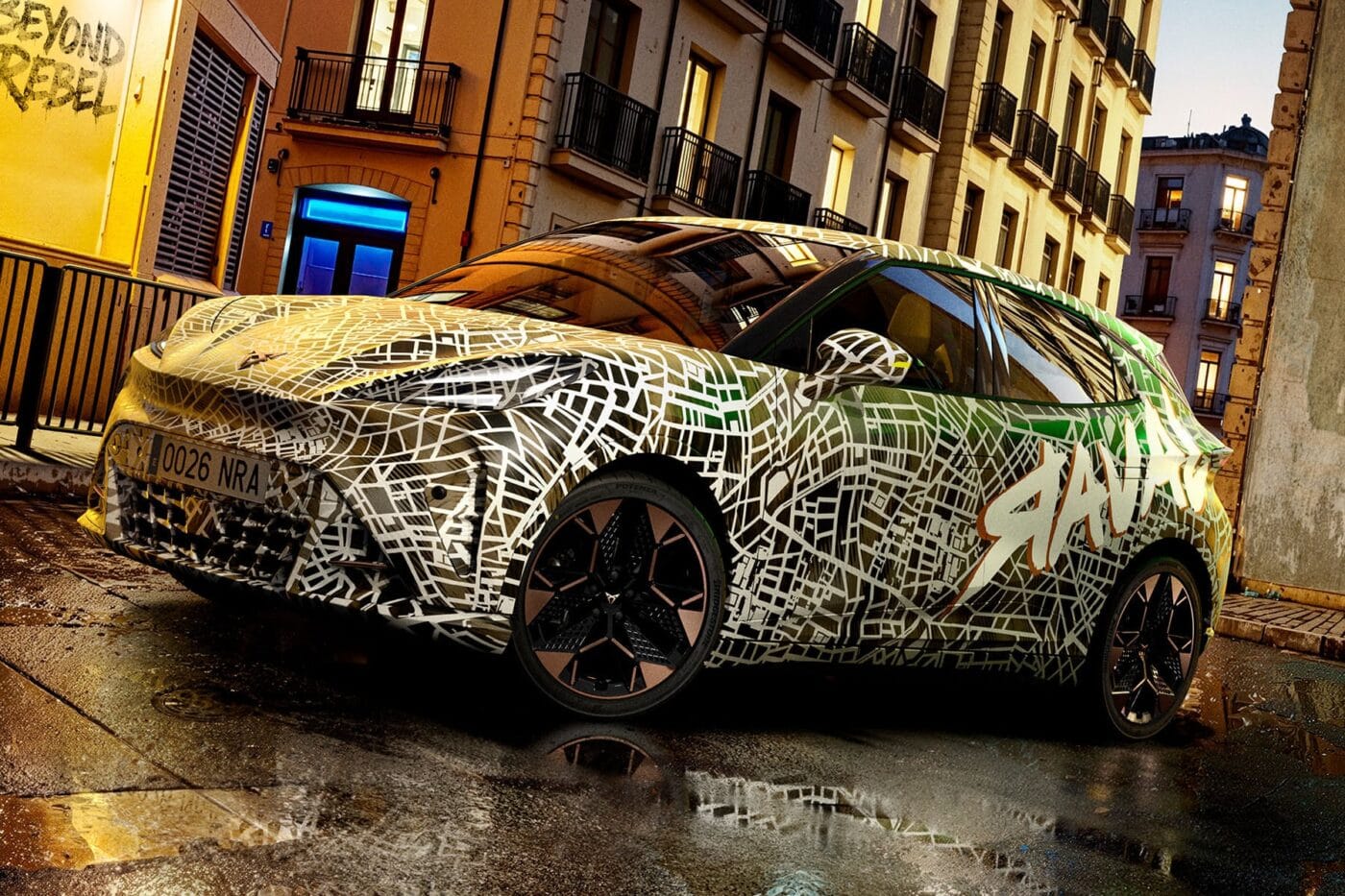
Cupra is leading the way in the Volkswagen Group’s small car family: the Raval is Polo-sized and will be available with either a 37 or 52 kilowatt-hour (kWh) traction battery. The starting price: from €25,900. Cupra took the lead on these small cars, which are now close in size to a Golf IV. This relatively affordable segment is in high demand in the European market.
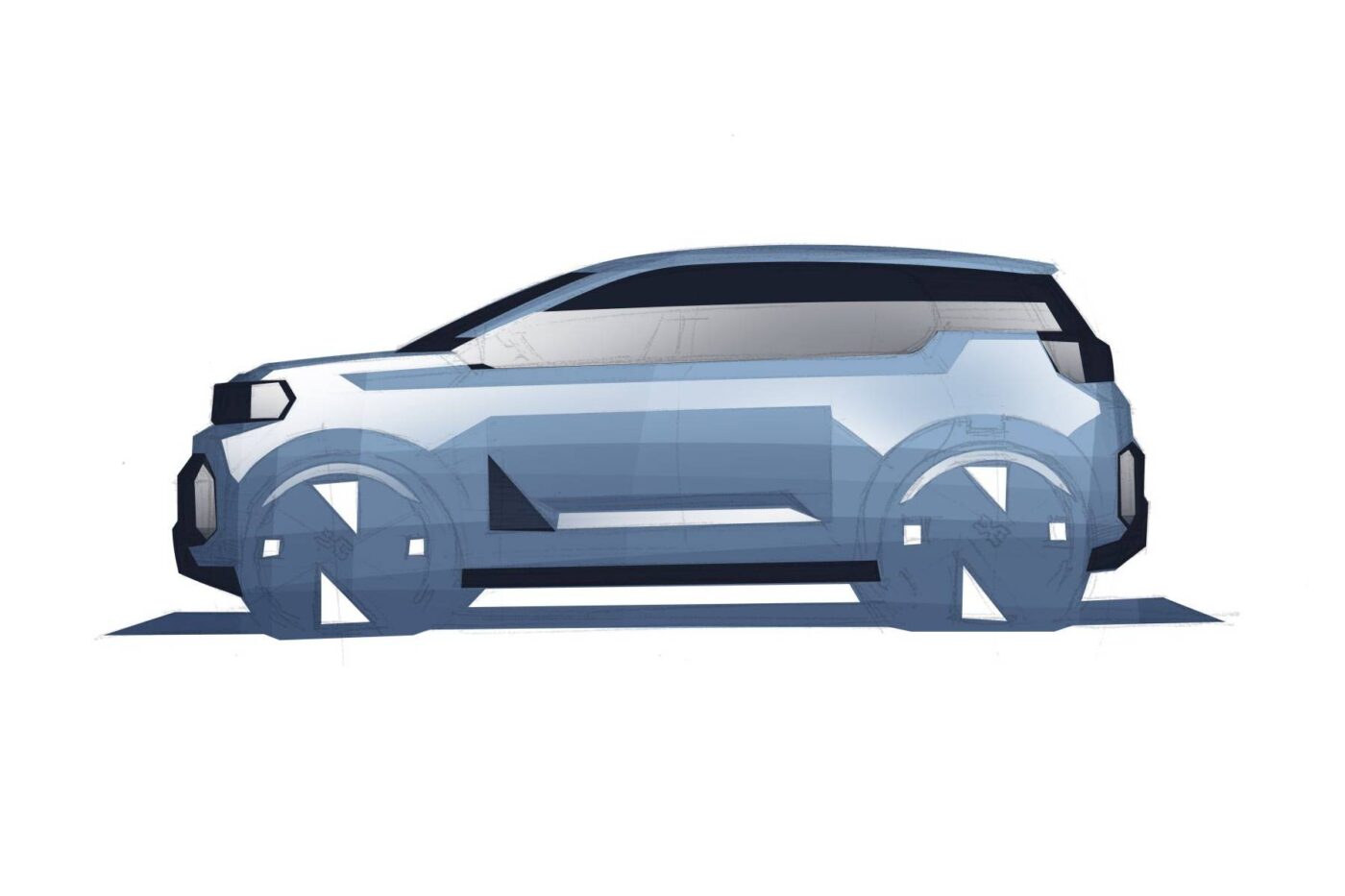
Affordability matters. Dacia knows this, too, and will unveil a new version of the Spring. Former Dacia CEO Denis Le Vot, who was succeeded by Katrin Adt in September, had already shared a sketch: unlike its technically related cousin, the Renault Twingo, the Spring will feature angular lines. The price must clearly remain under €20,000.
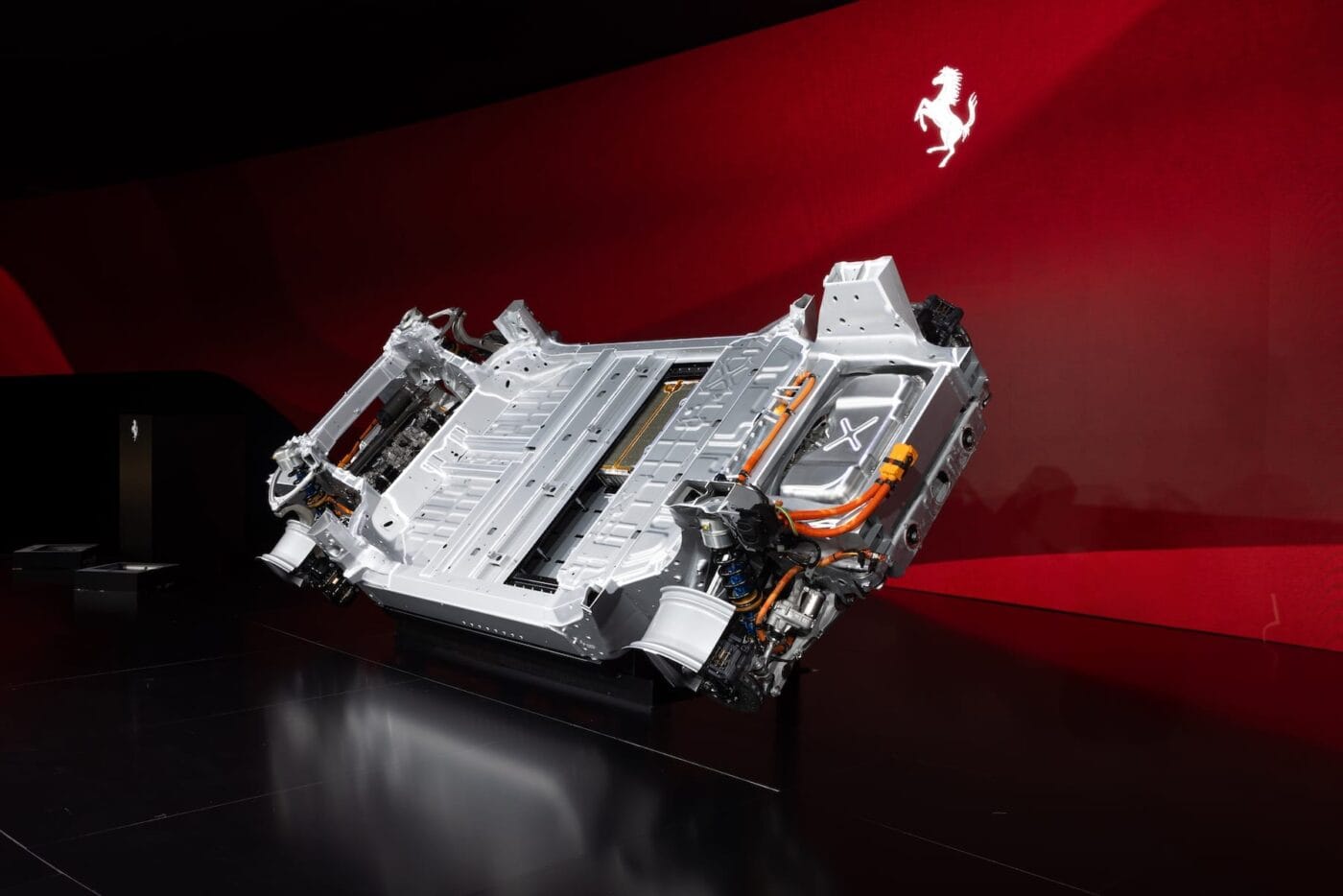
At the other end of the price spectrum, Ferrari will bring the Elettrica to the road. The Elettrica will be a crossover with a 122 kWh battery and over 800 kW of drive power. Clearly, Ferrari aims to impress with over 1,000 horsepower.
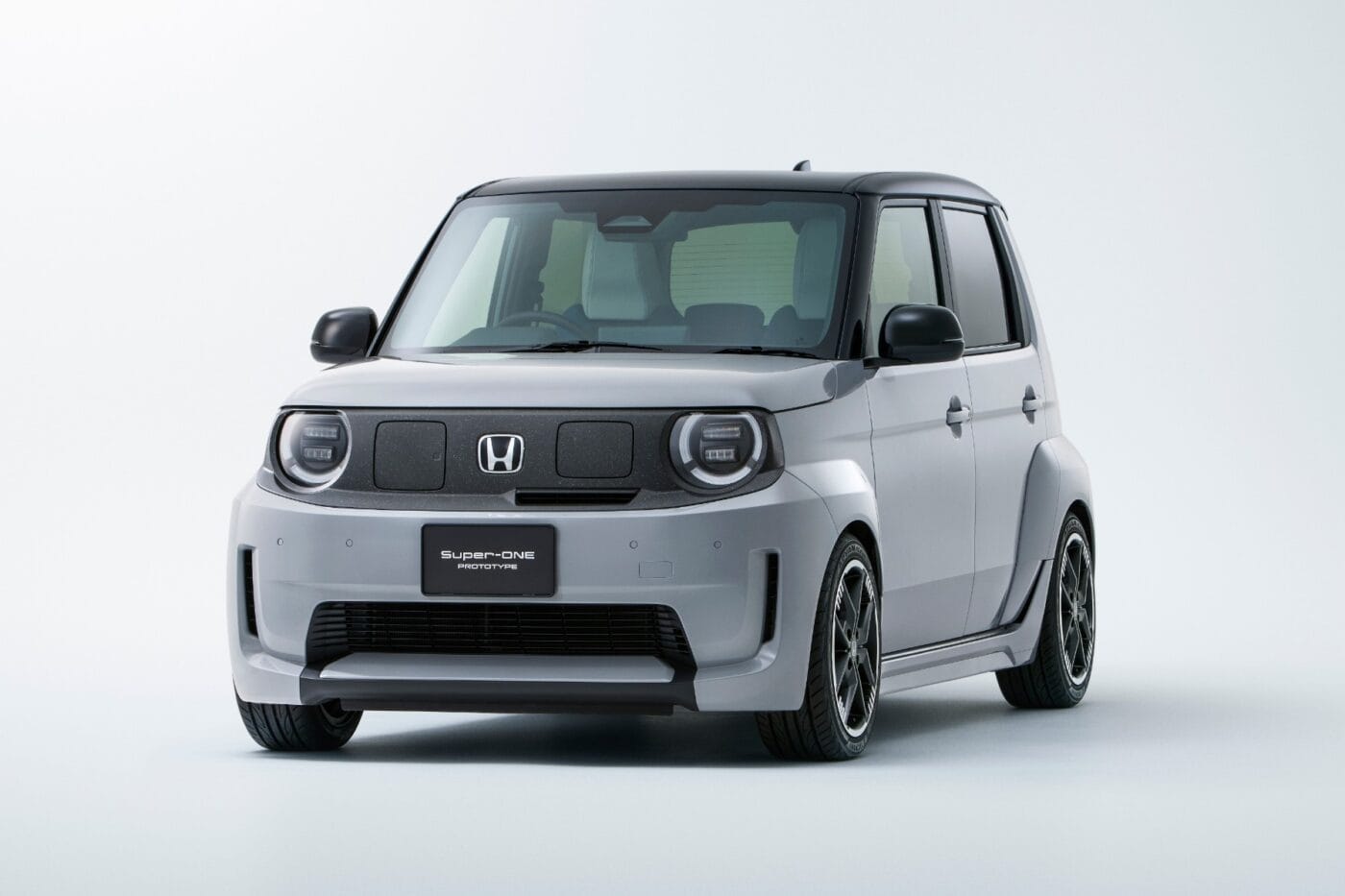
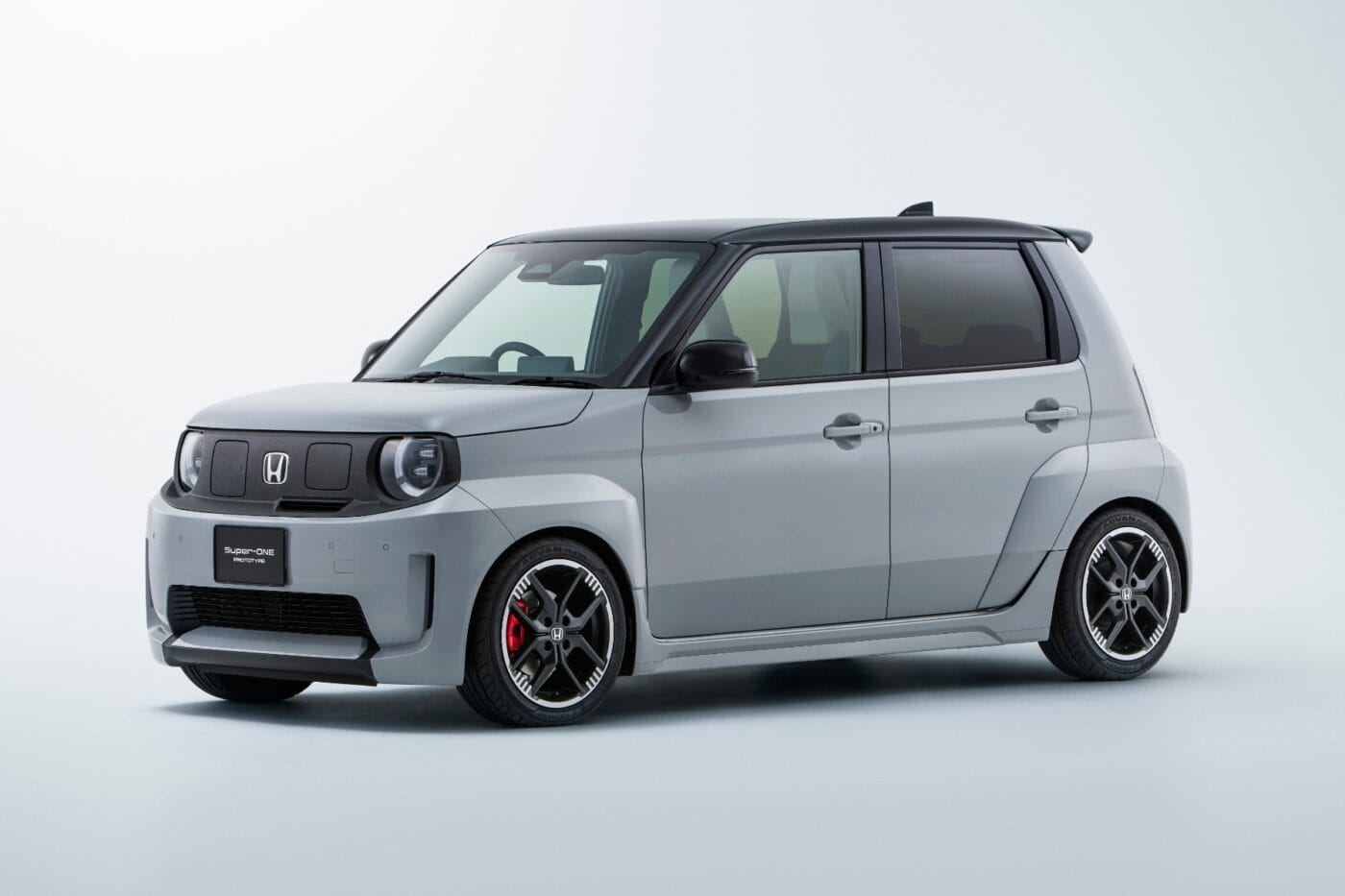
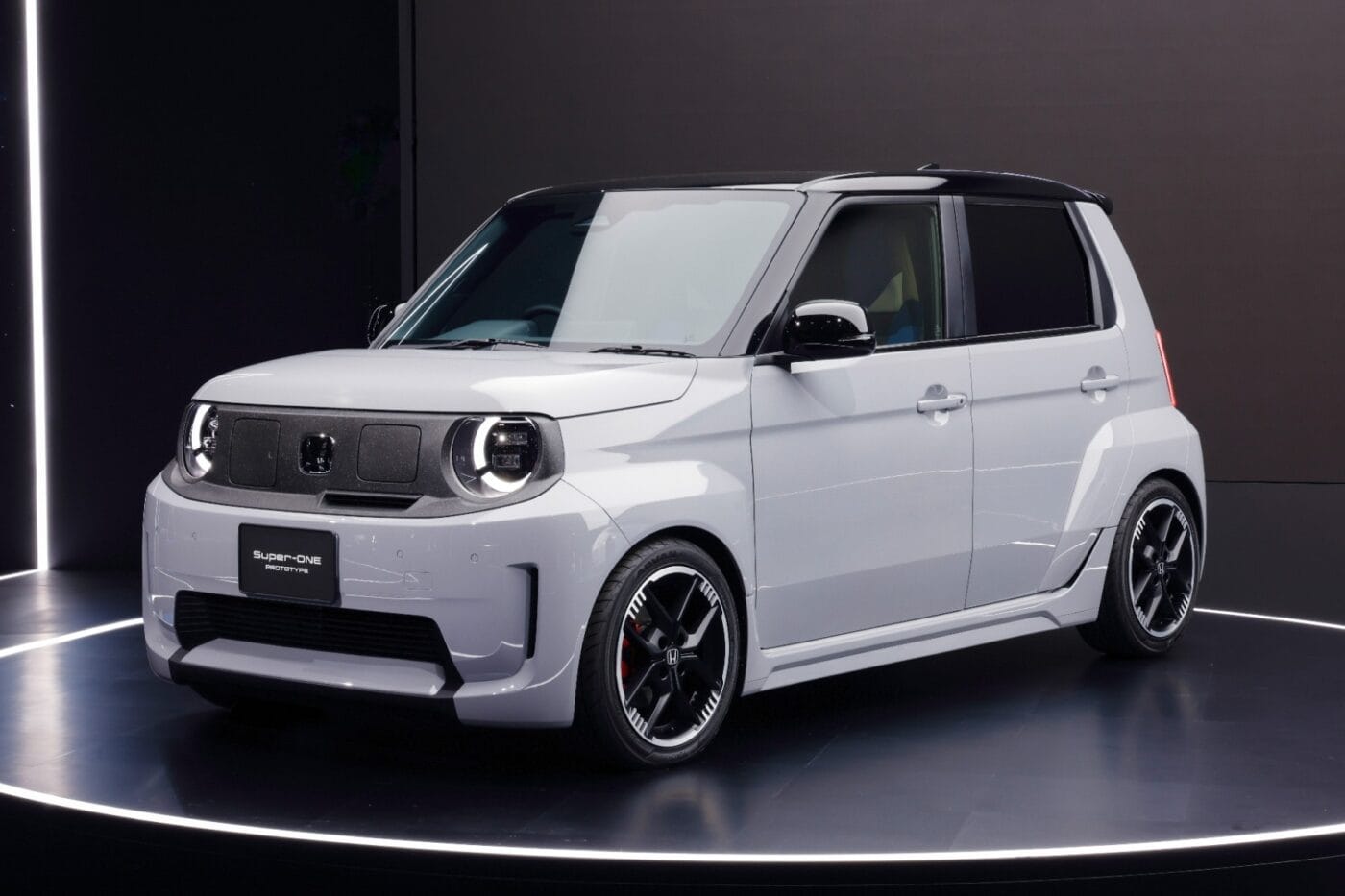
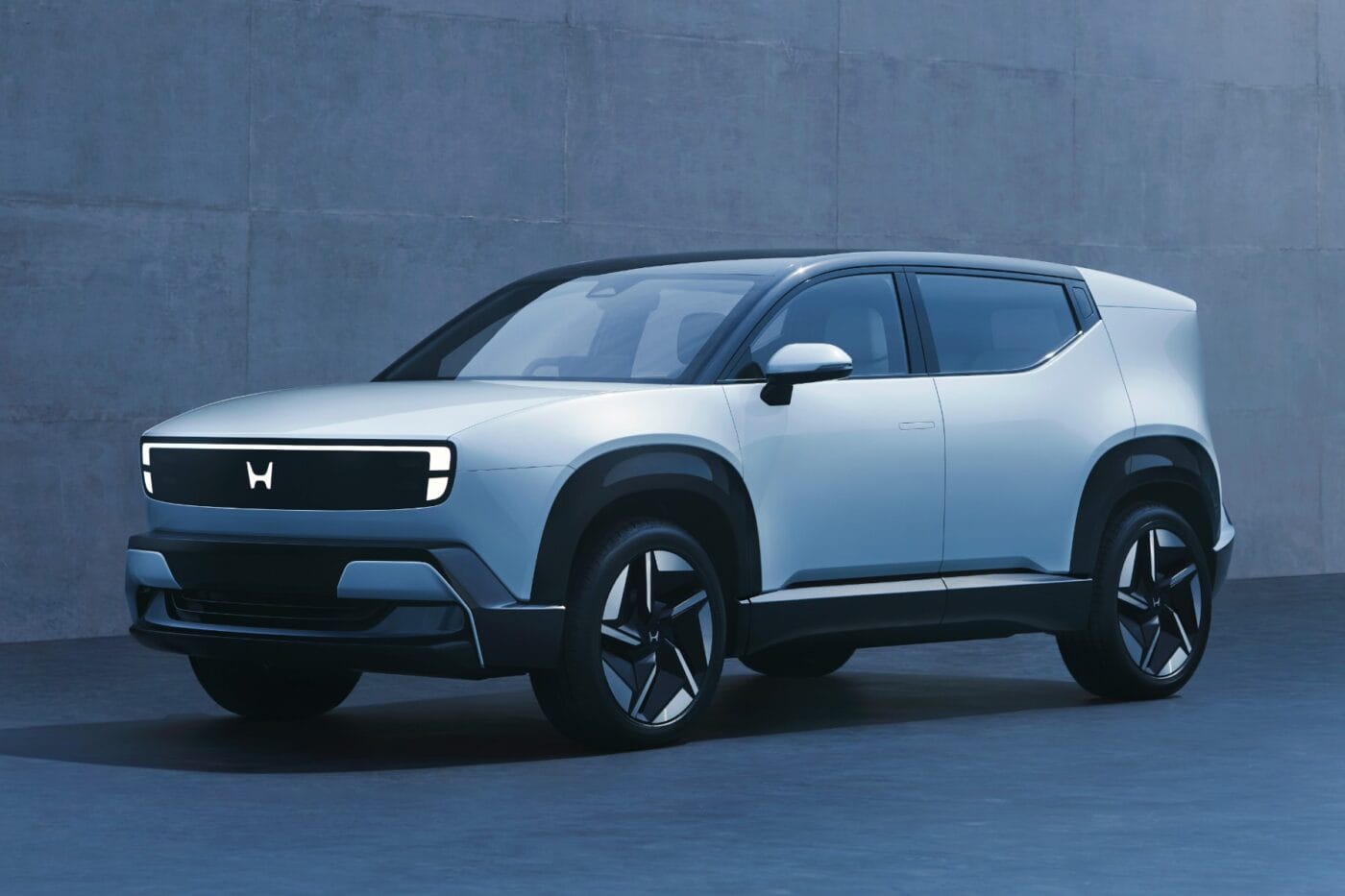
The Ferrari will remain a rarity. Similarly, large volumes are not expected for the Honda Super One—it may even be offered exclusively as a right-hand drive model in the United Kingdom. Across Europe, however, the SUVs and saloons of the Honda 0 Series will arrive. All share a quirky design.
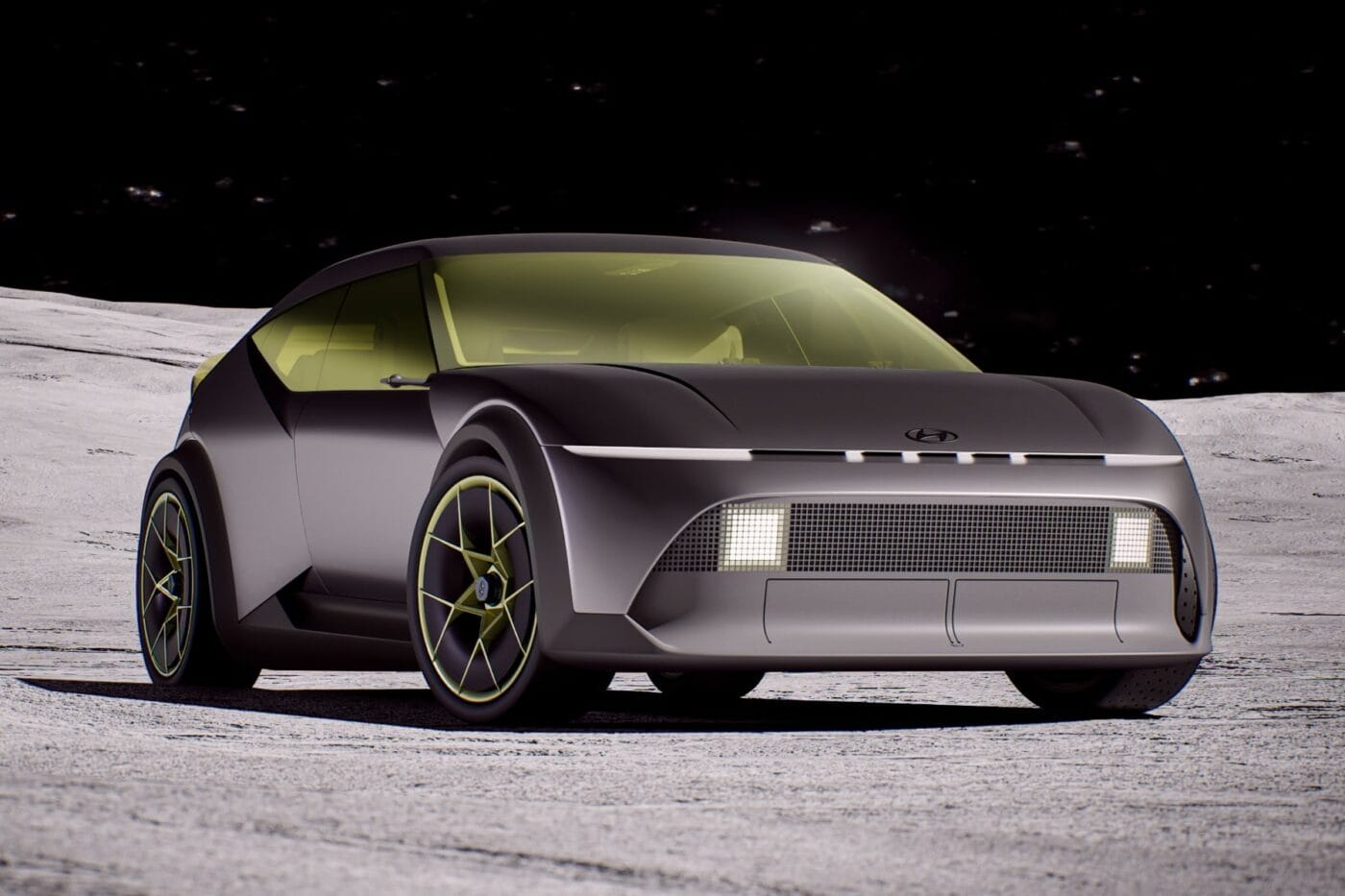
Far more significant in our market is the Hyundai Ioniq 3, which will be unveiled in the second quarter and go on sale in late summer. The Ioniq 3 draws visual inspiration from the Veloster. Compared to the Kia EV3, with which it shares the e-GMP platform in its 400-volt version, the Ioniq 3 is lower and more sporty. It will be the first Hyundai to feature a new software system for its infotainment. Alongside the Ioniq 3, Hyundai will also unveil the electric Staria towards the end of the year. Unlike the Kia PV5, the van will use the well-known 800-volt platform. Plans to introduce the Staria with a fuel-cell drive have been scrapped.
Has James Bond ever driven a Jaguar instead of an Aston Martin? The designation 00 for the saloon seems like a nod to the double-0 agent. The proportions of the 00 are striking: the Jaguar is wide and features a very low roof with minimal window area. The brand has moved away from the elegance of the early XJ6.
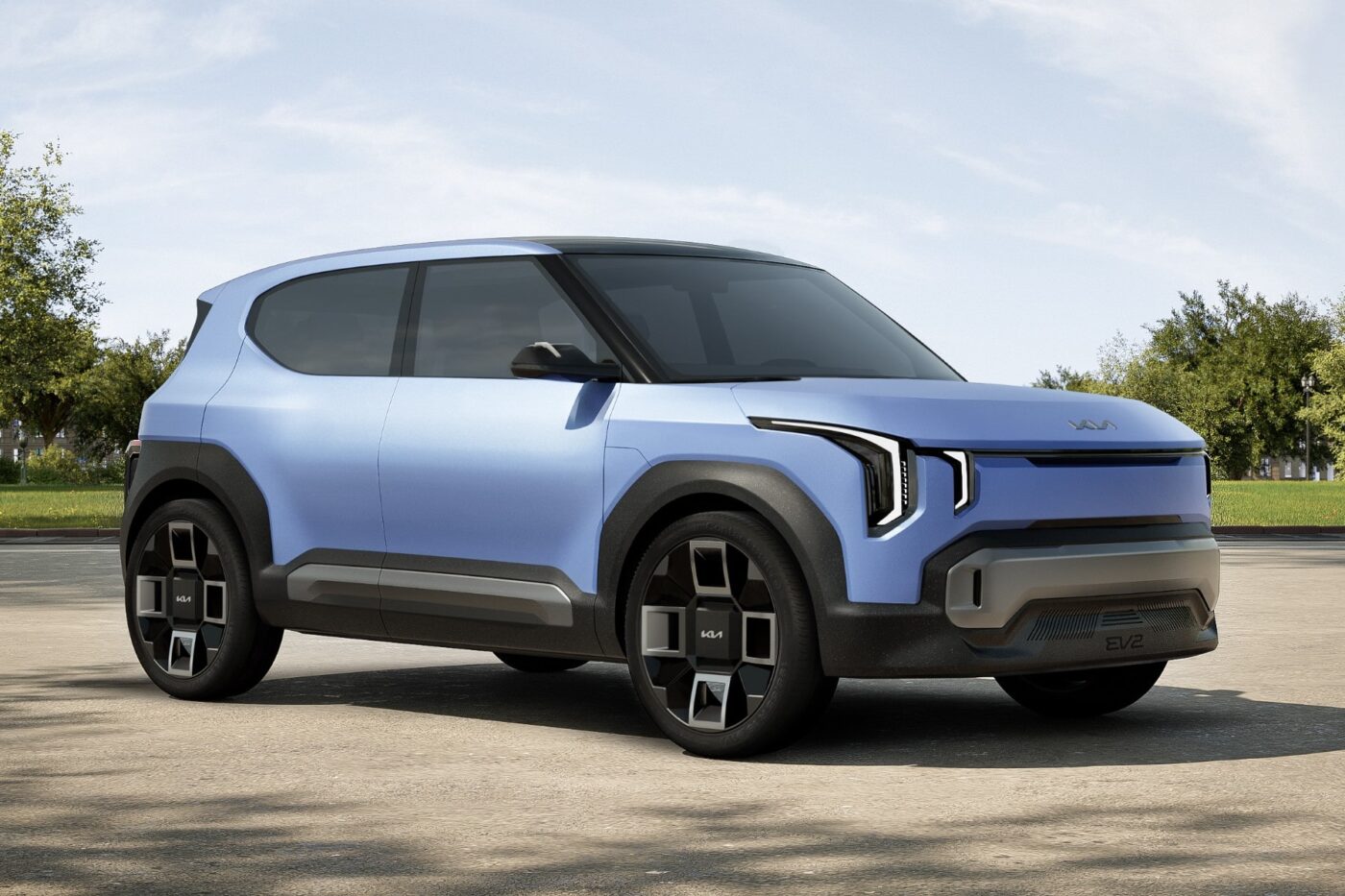
At the Brussels Motor Show on 9 January, the Kia EV2 will celebrate its premiere. The small SUV fits perfectly into the popular segment. Square, practical, and not too expensive—we estimate a base price of €24,000 with a smaller battery, while a version with a larger battery could cost around €28,000. The exterior design of the EV2 will closely resemble the concept; little of its experimental interior will remain.
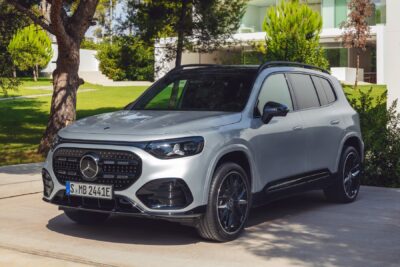
No manufacturer will unveil as many new models in 2026 as Mercedes. It will be a year of the star. Stuttgart is returning to conventional design while combining it with a modern 800-volt platform. The CLA, GLC, and GLB have already been introduced. Next up are the GLA and, later, the C-Class as a saloon and estate, to compete with the BMW i3. The C-Class is, alongside the GLC, Mercedes’ most important model series globally. The E-Class will follow in 2027.

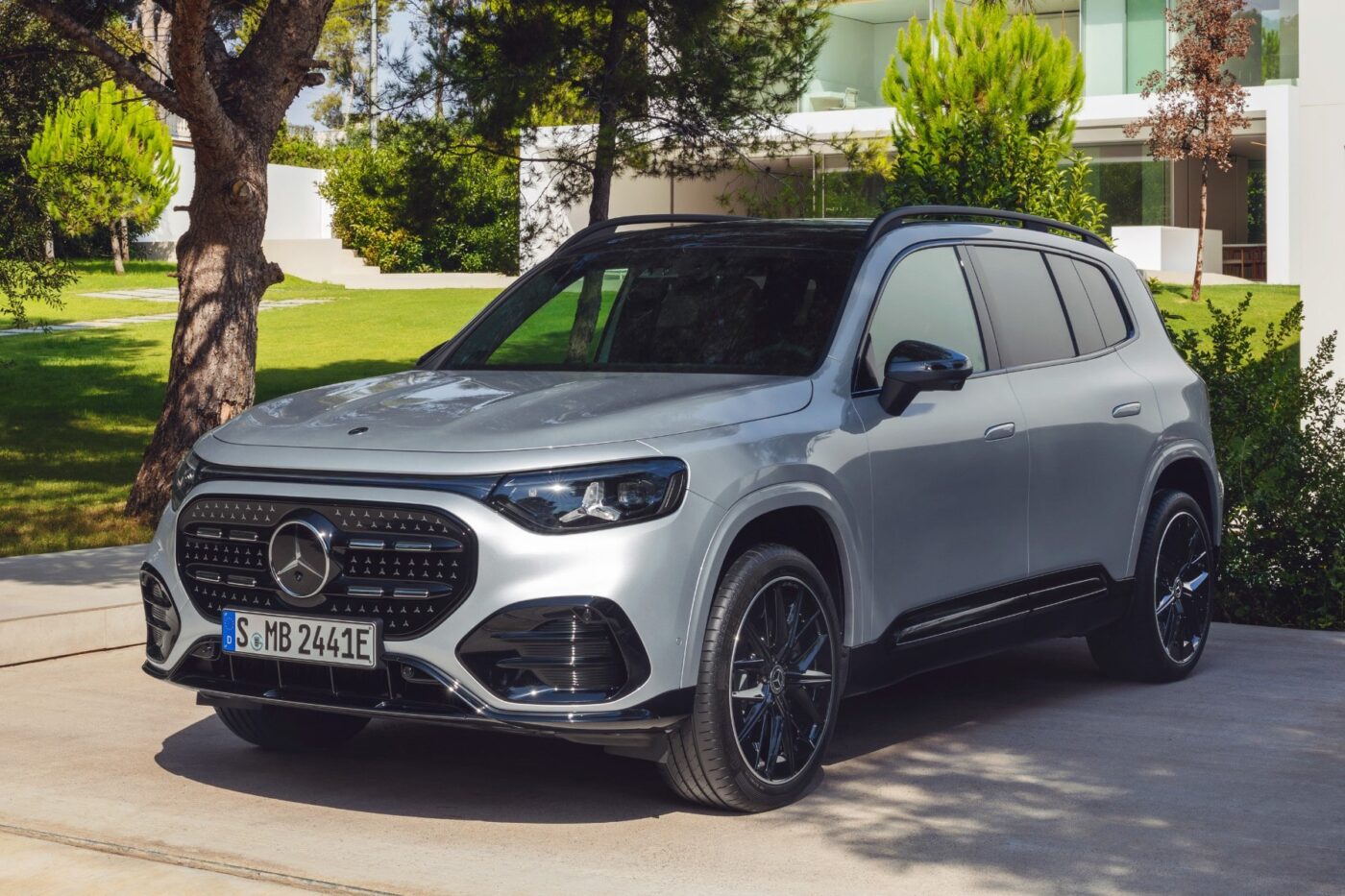
Lower volumes, but no less attention, will be given to the g-Model. Yes, it is indeed written with a lowercase ‘g,’ and that is precisely what it will be: a smaller and, above all, modern G-Model. For those who want plenty of space, there is the van VLE, which may also be offered in a luxury variant, the VLS. And for those who have reached the top, there is the AMG GT, the production version of the AMG GT XX. This model will be impressive—a purchasable technology carrier that charges very quickly, drives even faster, and remains efficient.
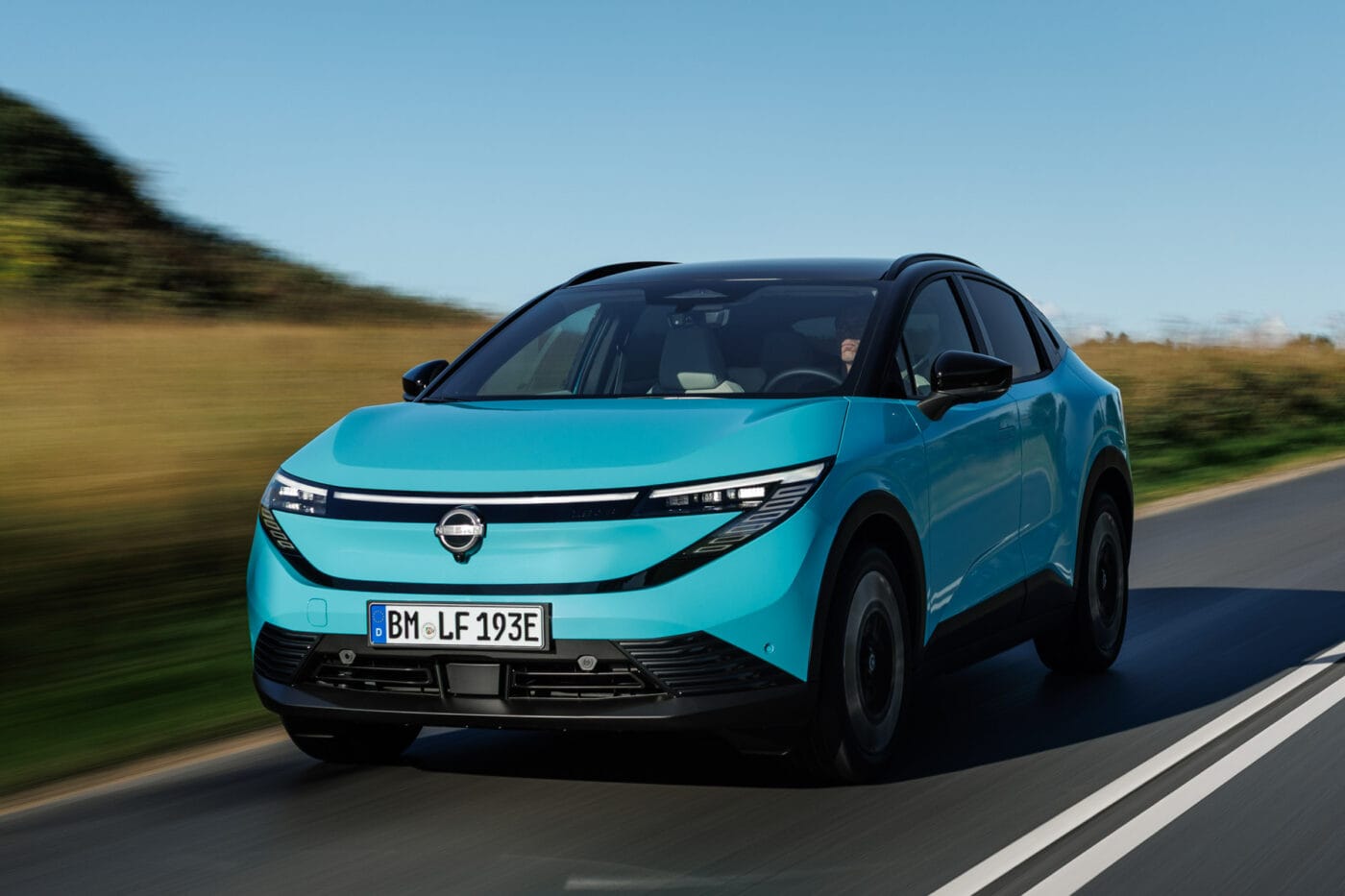
In comparison, the Nissan Leaf seems remarkably down-to-earth. Finally, the Japanese brand is moving away from the CHAdeMO plug, which had turned the former bestseller into a niche product. The Leaf has evolved into a hatchback. It will face competition from its own stable in the form of the popular Nissan Juke, which will be available as an electric vehicle for the first time.
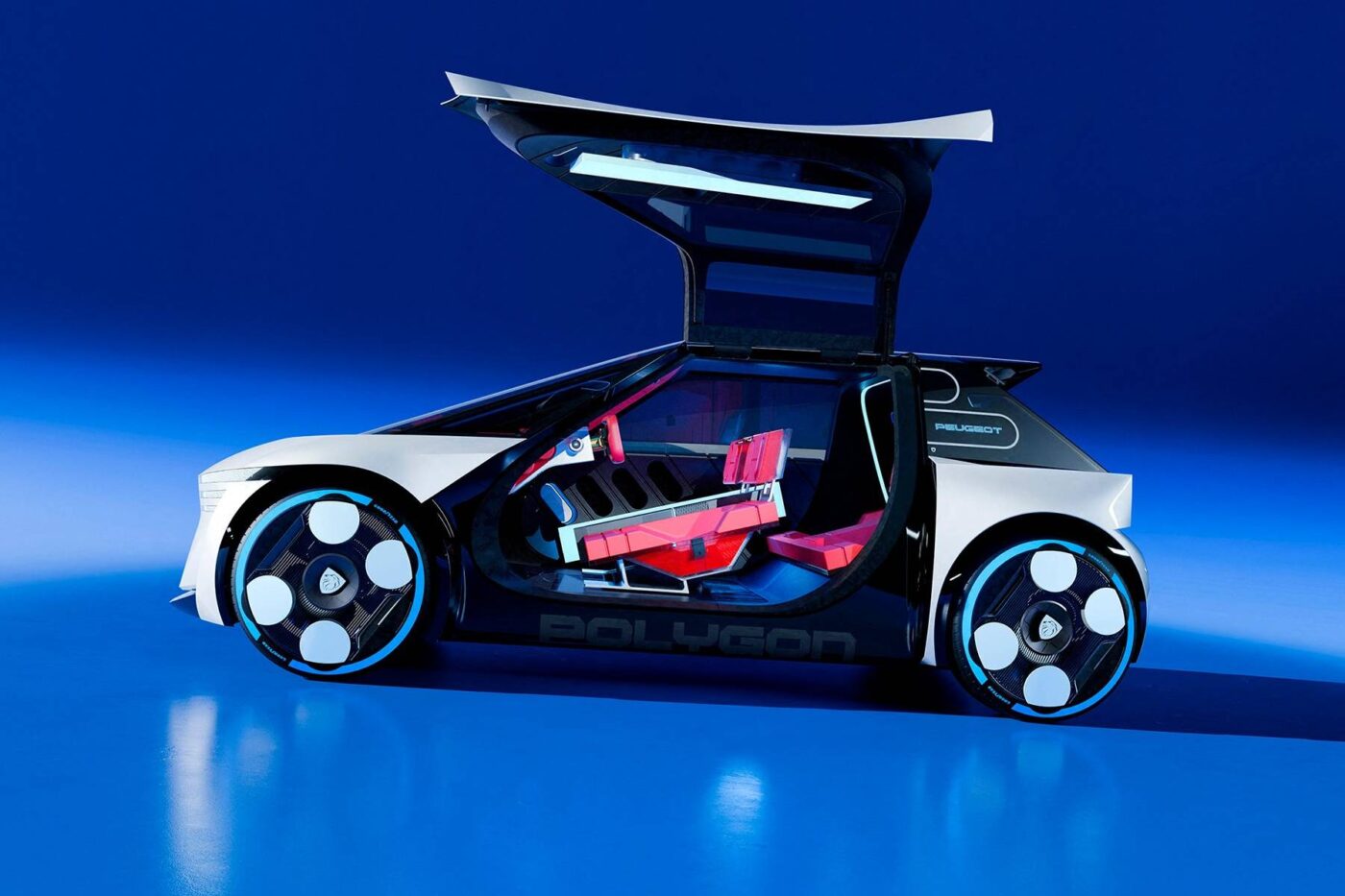
At Opel and the other brands of the Stellantis group, not much is happening beyond rollouts and facelifts. However, the Peugeot 208 will be completely renewed. It will be the first electric car based on the STLA Small platform but will only hit the market in 2027—though it may be seen (almost in production form) as early as 2026. Meanwhile, the brand Jeep, which plays a minor role in Europe, will introduce the Wagoneer S, the Cherokee, and the Compass, while the Reckon will likely remain reserved for the US market.
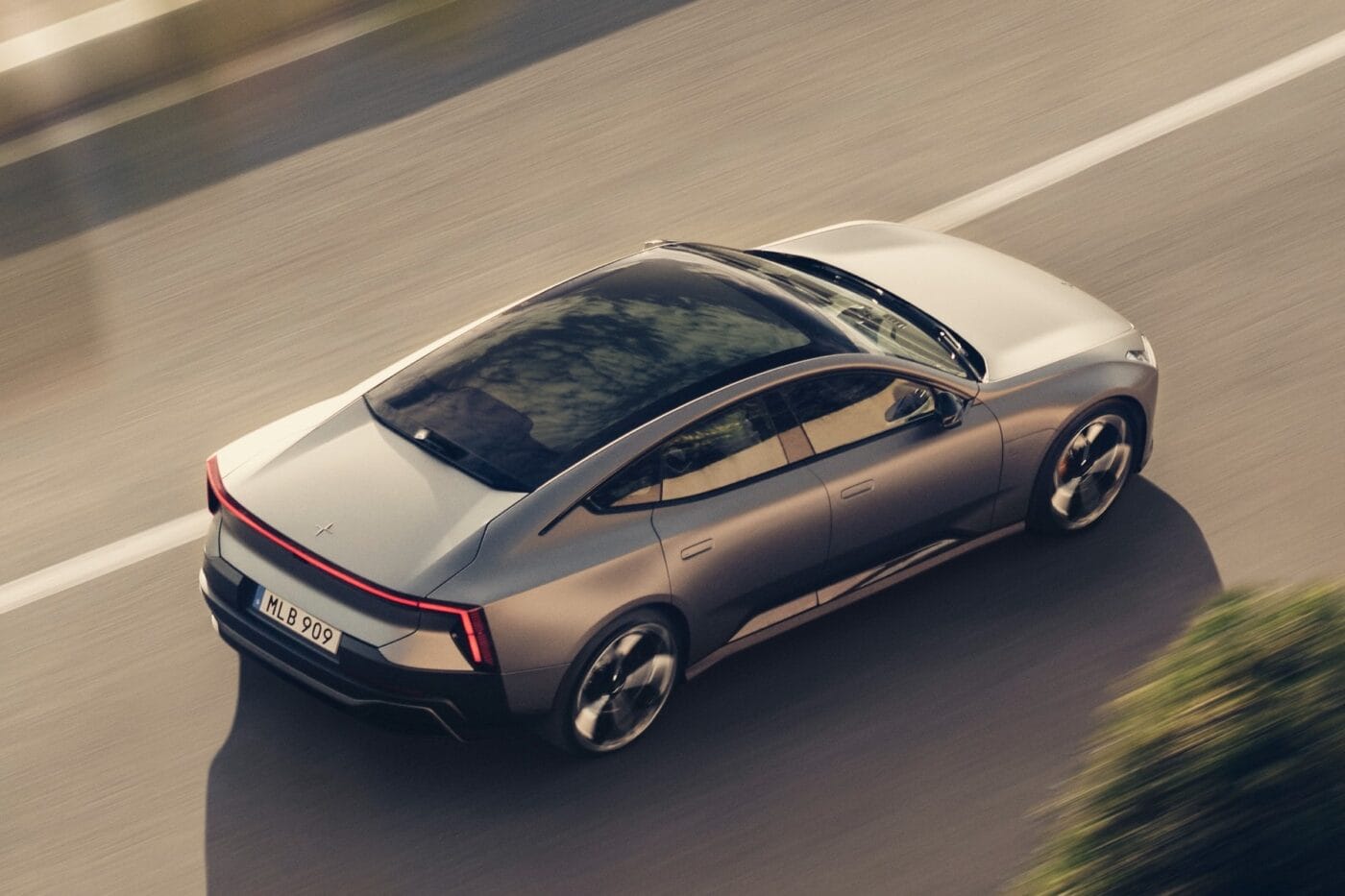
The situation is similar within the Geely group. The only truly new models are the sporty luxury saloon Polestar 5 and the compact SUV 7. The Polestar 7 will be built in Europe but not until 2027. Geely’s electric cars have recently been plagued by glaring software issues, such as those seen in the Smart #5. Overall success has been modest, and the long-awaited introduction of the Zeekr brand is unlikely to change this if prices remain so ambitious. An exception within the group is Volvo, where the best-selling XC60 is finally going electric and will be called the EX60.
Renault expands and consolidates
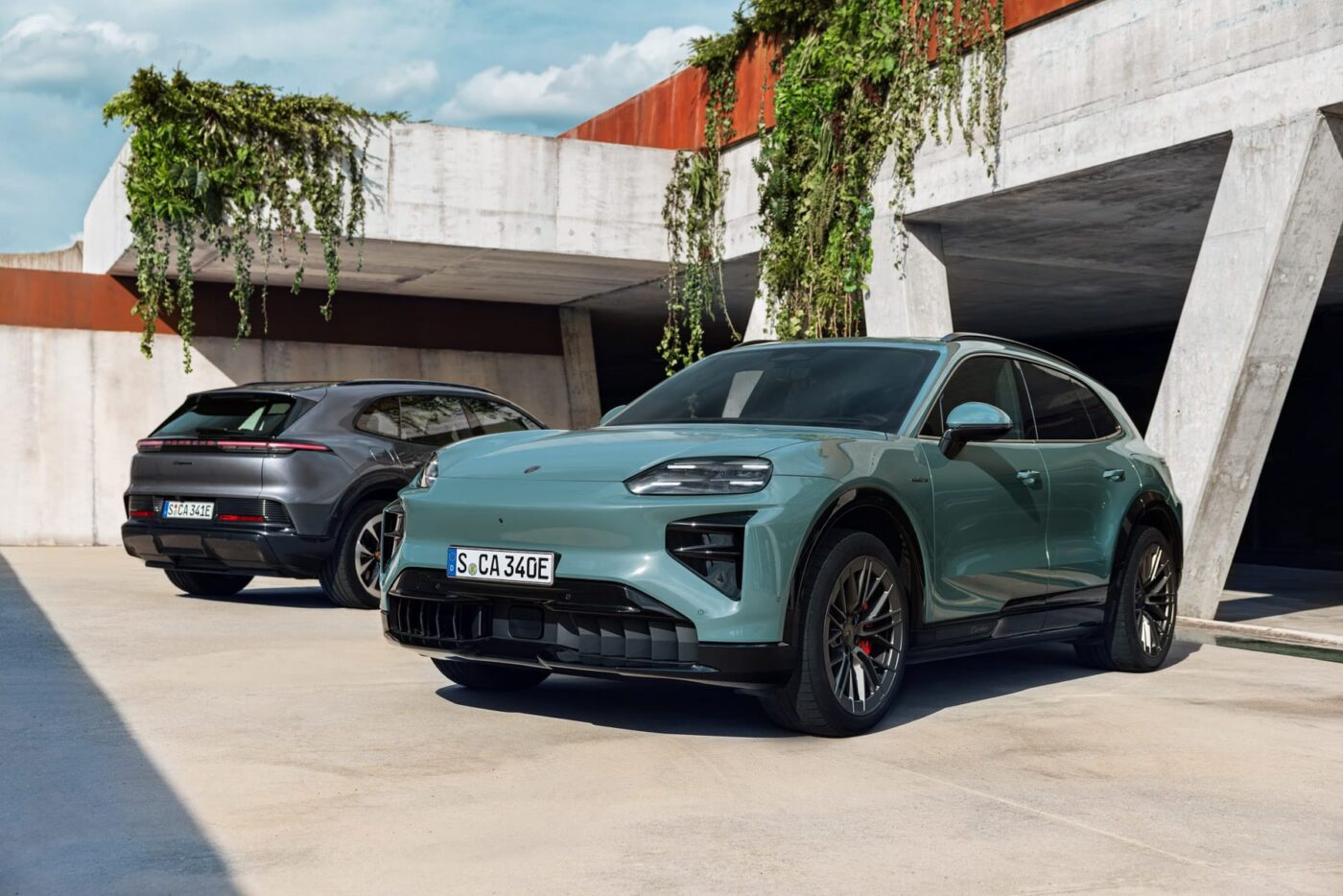
Things have not gone as smoothly as hoped for Porsche recently. Reportedly, customers are not embracing electric cars as expected. This could be partly due to the 0.25 percent rule for company cars, which only applies to models with a gross list price of up to €100,000. A Cayenne inherently exceeds this threshold: nothing starts below €105,200. However, there are hardly any reasonable doubts about the quality of Porsche’s electric cars. Over the course of the year, Porsche will also present the Cayman and the Boxster cabriolet, both of which feature a charging port located at the rear centre.
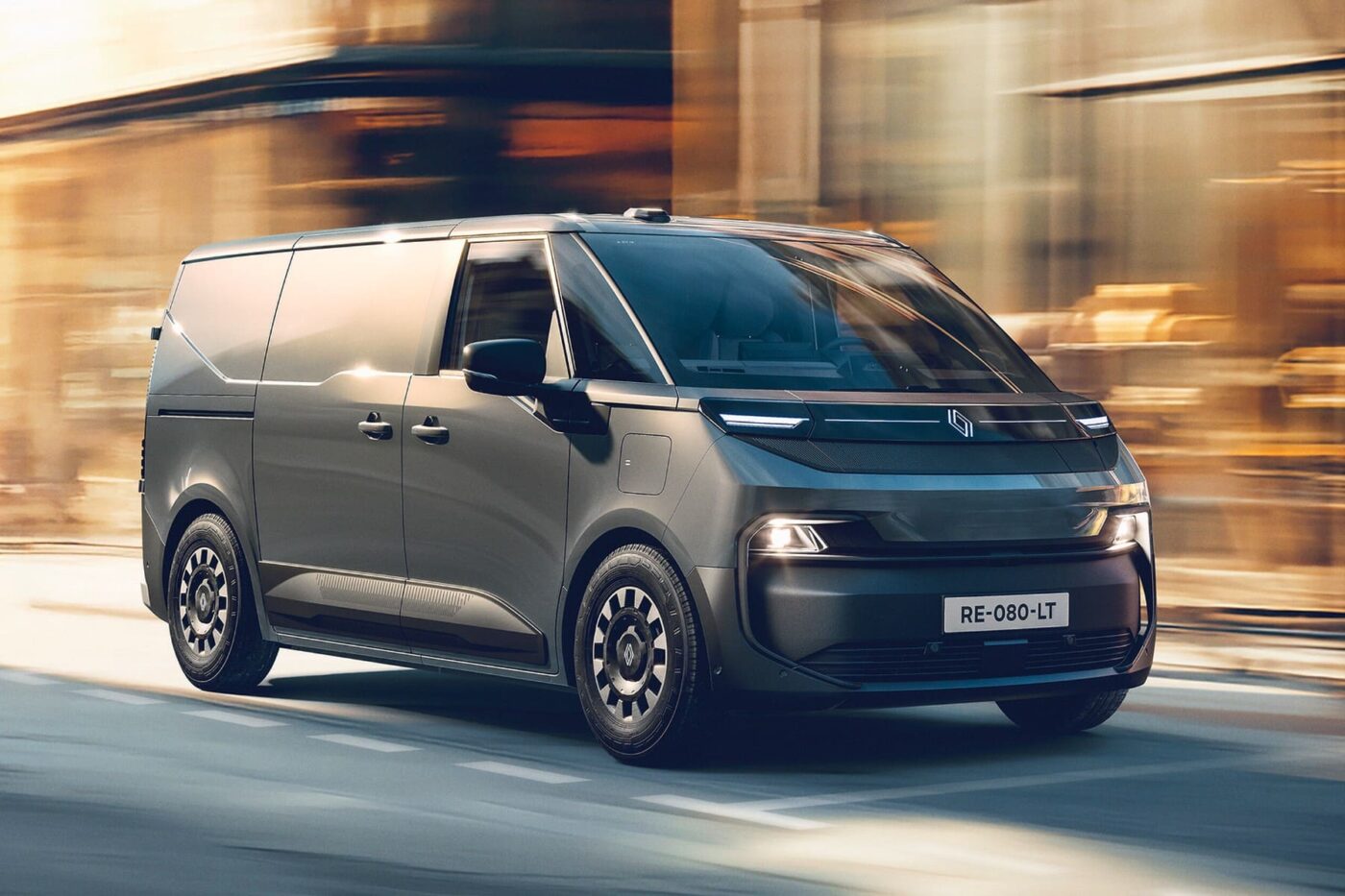
Renault, meanwhile, has electrified large parts of its passenger car range, from the Scenic to the Twingo. Before the next generation arrives, the French full-range manufacturer is focusing on commercial vehicles: the Trafic will be available in two variants, alongside the Estafette derivative, in showrooms. The vans will uniformly feature an 800-volt platform, enabling ultra-fast charging. However, following a strategic shift at Mobilize, the Twizy successors Duo (for two) and Bento (for one plus luggage) will not come to market. A shame, as both could have enriched urban traffic—unlike the Twizy, they would have featured interior climate control, for example.
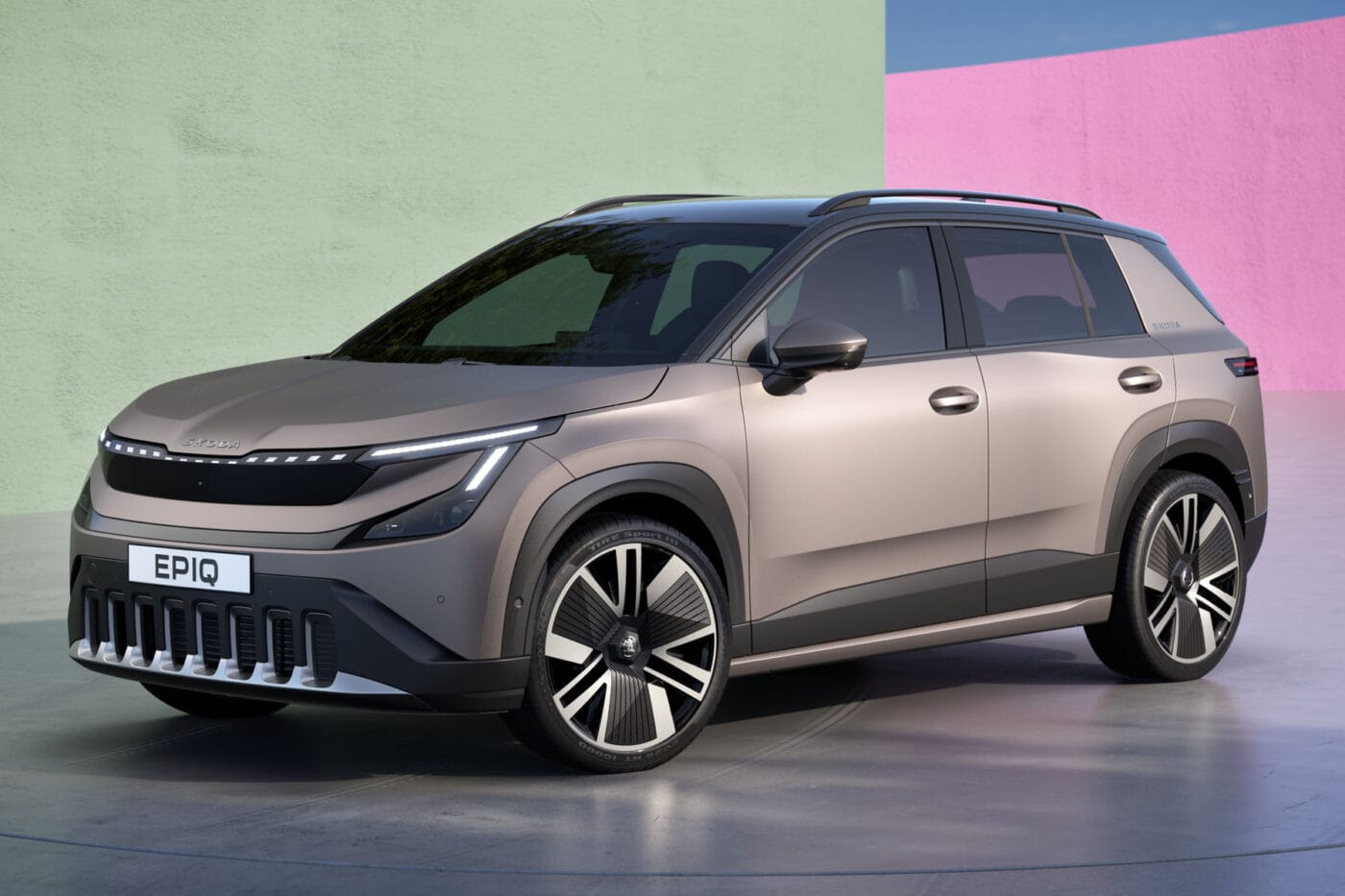
At Skoda, the small SUV Epiq could cause a sensation. European buyers love SUVs, and it is no secret that Volkswagen expects the highest sales success within the small car family from the ID. Cross and the Skoda Epiq. The Epiq is expected to start at around €25,000. For this price, buyers will get a 37 kWh battery and a range of 300 kilometres. Those wanting more will have to pay more: the Epiq with a 52 kWh battery and around 400 kilometres of range is likely to cost just under €30,000.
Tesla, meanwhile, is daily shuttling passengers in Model 3 and Model Y vehicles equipped with Full Self-Driving Supervised. This is undeniably impressive. Industry experts report that approval could be achieved in 2027. However, competition is emerging. For example, the Mercedes CLA is already scoring points in China with a similar Level 2++ system. Tesla’s potential remains vast. Unfortunately, Elon Musk’s political statements are proving extremely damaging and are hindering sales.
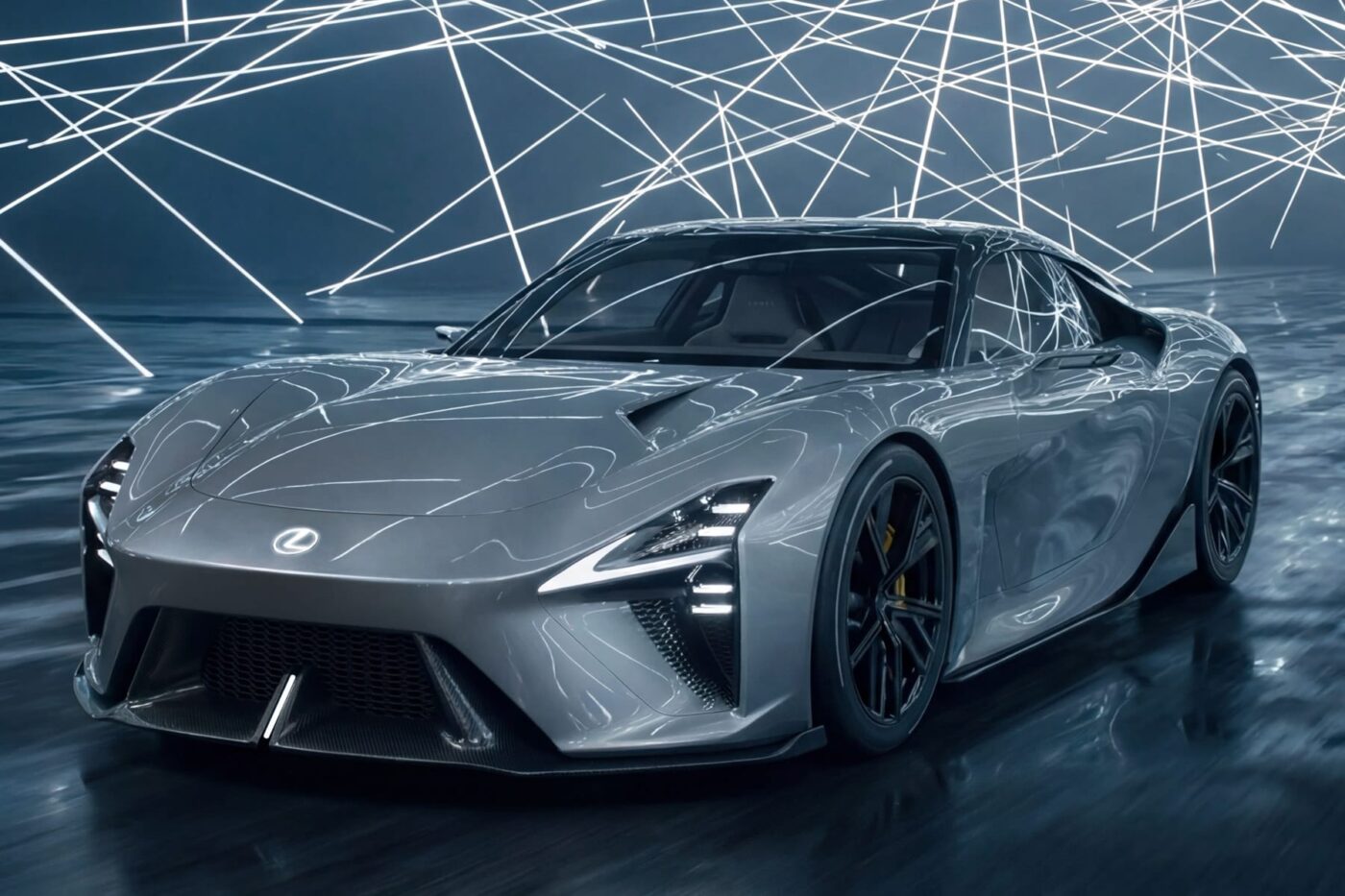
What is Toyota up to? It cannot be denied that the world’s top-selling carmaker remains indecisive when it comes to electric cars. While concept vehicles like the Lexus LFA are impressive, the brand has otherwise reached a plateau. Both the Toyota Urban Cross and the C-HR+ are still awaited. Hopes were recently raised by a study of the next Corolla, whose production version will be unveiled on a multi-drive platform by the end of the year.
The situation is entirely different at Volkswagen. As Herbert Diess demonstrated, VW’s electric cars have proven to be a success story, despite the sceptics. In 2026, all names—except for the ID.3—will return to their roots: the ID.7 will become the ID. Passat, the ID.2 study will become the ID. Polo, and in the summer, the ID. Tiguan, the successor to the ID.4, will arrive. This electric car will be more than just a major facelift, even if it is based on the familiar MEB+ platform.
Volkswagen has invested in the Chinese startup Xpeng. It is conceivable that a Volkswagen sold in Europe in 2030 could be partly developed in China. Whether Xpeng will bring the X9 van to Germany in 2026 remains unclear.

1 Comment